
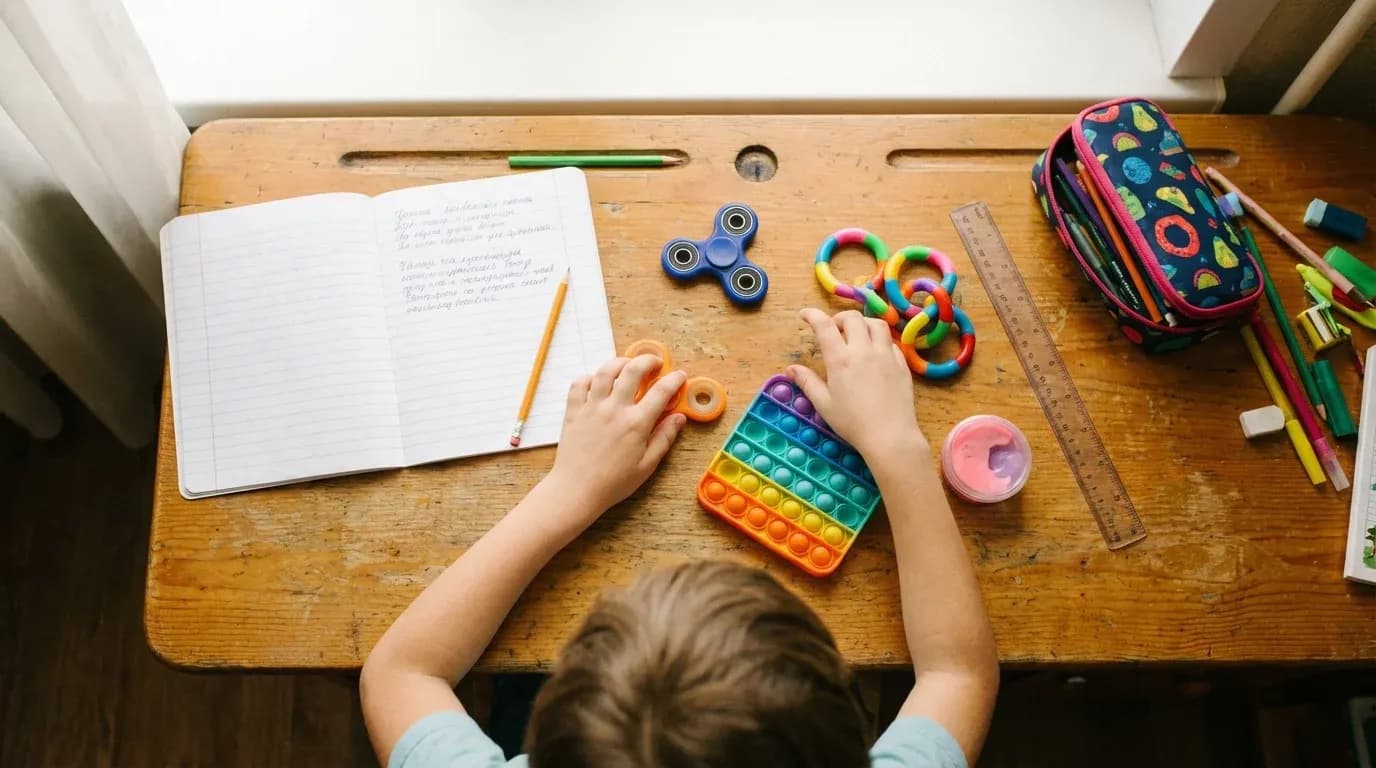
Every parent of a child with ADHD knows the scene: homework sessions that stretch for hours, classroom reports about constant movement, and the daily struggle to help your child channel their energy productively. You're not searching for another quick fix—you're looking for practical tools that genuinely support your child's unique needs.
Fidget toys for ADHD kids have emerged as more than just trendy classroom accessories. When selected and used properly, these sensory tools can provide the tactile stimulation that helps children with ADHD regulate their attention, reduce anxiety, and improve focus during critical learning moments. The challenge? Understanding which fidget toys actually work, how to introduce them effectively, and when they're most beneficial.
Research shows that appropriate sensory input can help children with ADHD redirect their energy without disrupting concentration. Rather than suppressing natural movement tendencies, the right fidget tools work with your child's neurology, offering a quiet outlet that supports rather than hinders their ability to focus.
This guide explores evidence-based approaches to using fidget toys with ADHD children, from selecting age-appropriate options to implementing them successfully at home and school. You'll discover practical strategies backed by occupational therapy principles, helping you make informed decisions that truly support your child's development and daily success.
The Essential Guide to Fidget Toys for Children with ADHD
Does your child struggle to sit still during homework? Do teachers mention constant fidgeting in class? You're not alone—and those restless hands might actually be seeking something beneficial.
Main Content Section
Understanding the Science Behind Fidgeting and ADHD
Children with ADHD often experience challenges with executive function and self-regulation. Their brains require additional sensory input to maintain focus, making fidgeting a natural coping mechanism rather than a distraction. Research from the Journal of Abnormal Child Psychology found that movement actually improves cognitive performance in children with ADHD.
Fidget toys work by providing a low-level sensory stimulus that occupies the brain's need for movement without demanding significant attention. This allows the child to channel restless energy whilst maintaining focus on primary tasks like listening to a teacher or completing assignments.
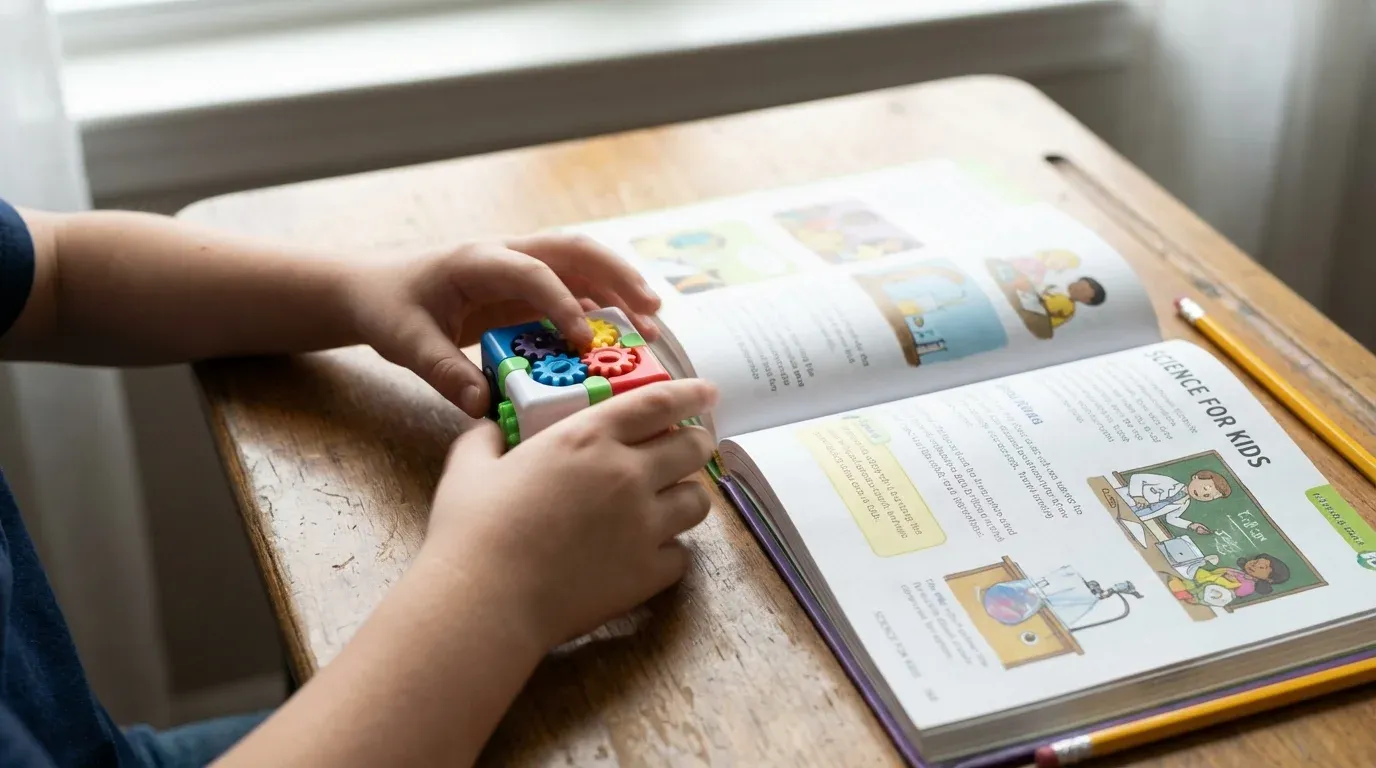
Key benefits include:
- Reduced anxiety and nervous energy
- Improved concentration during sedentary activities
- Enhanced tactile stimulation for sensory processing
- Better emotional regulation in stressful situations
Choosing the Right Fidget Toys for Your Child
Not all fidget toys work equally well for children with ADHD. The most effective options are quiet, portable, and don't visually distract others.
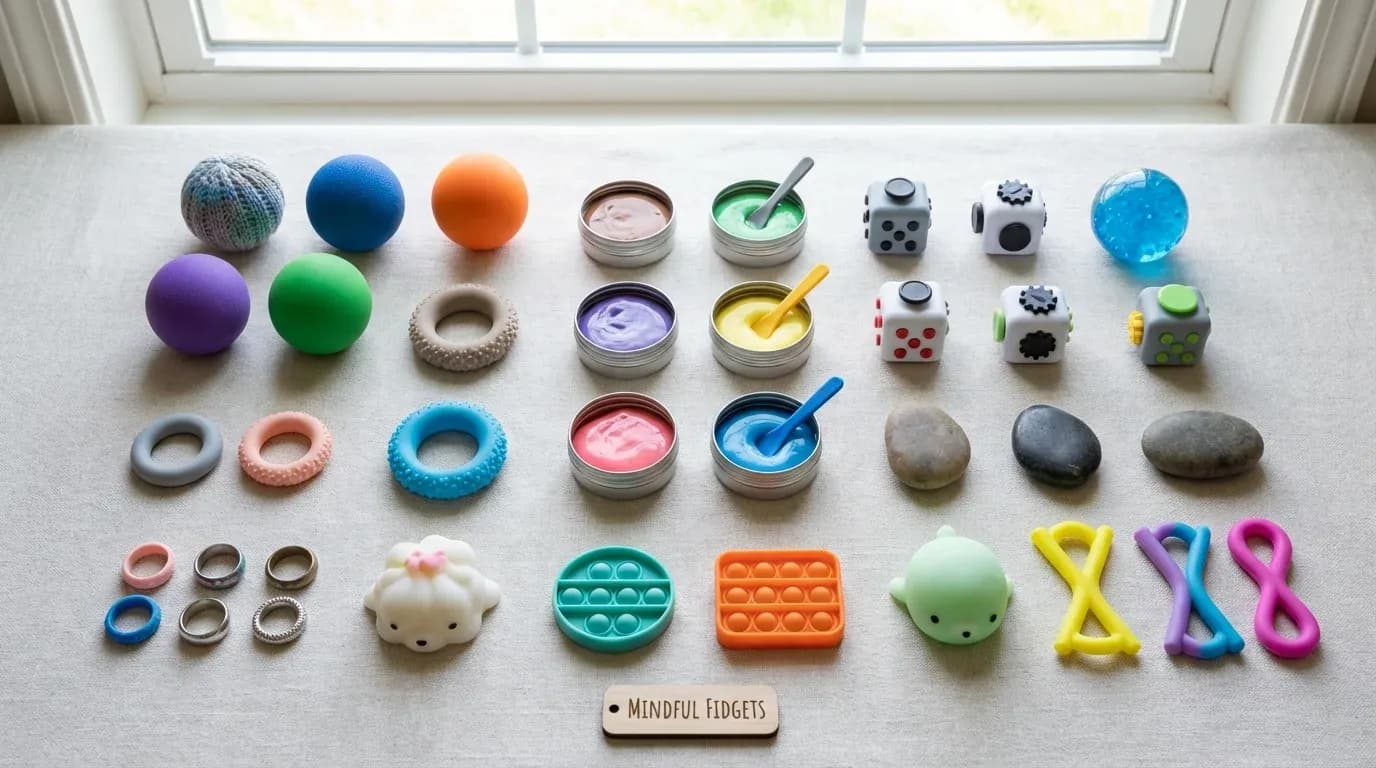
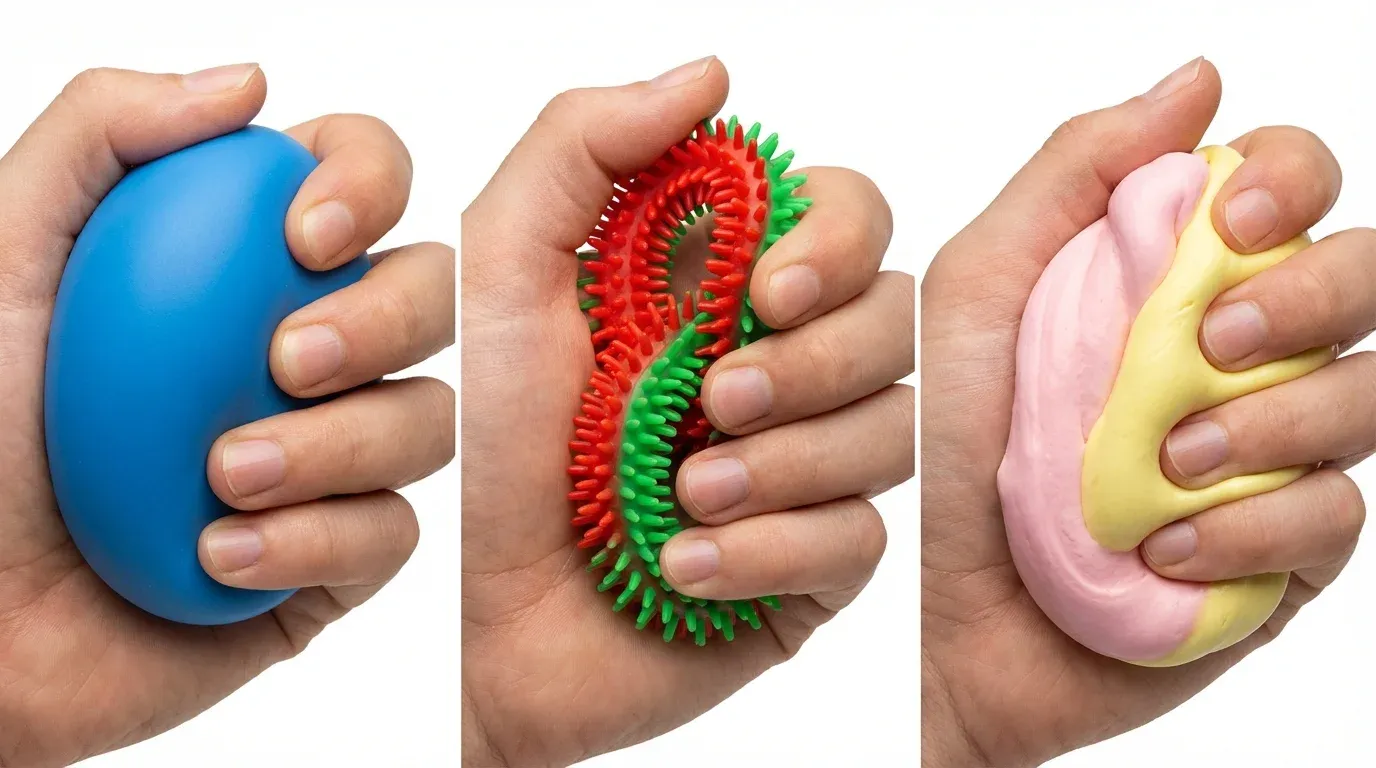
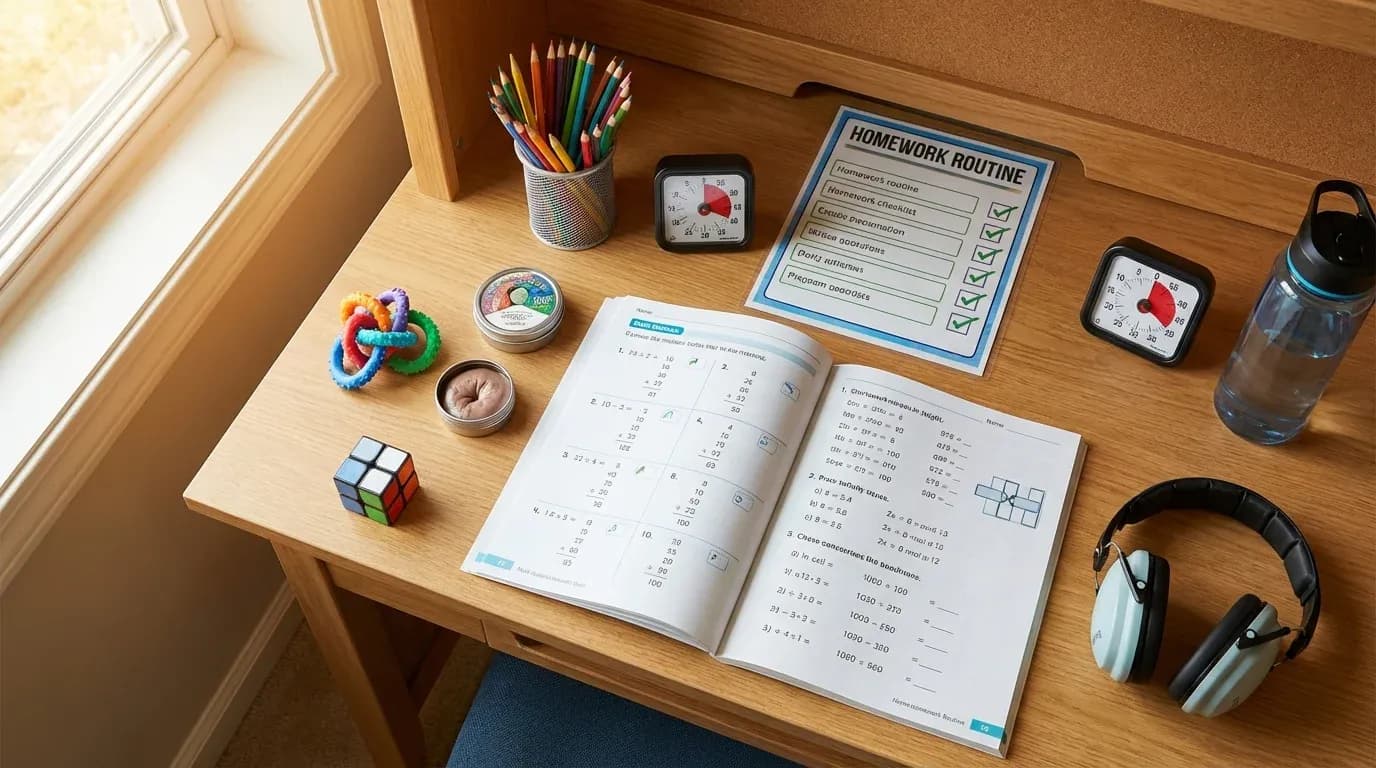
Sensory-focused fidget toys like stress balls, textured rings, and therapy putty provide tactile feedback without noise. These work brilliantly for children who need constant hand movement.
Discrete classroom options include fidget cubes, smooth stones, or small rubber items that fit in a pocket. Teachers generally approve these as they don't disrupt other students.
Active fidgets such as chair bands (resistance bands around chair legs) or wobble cushions allow whole-body movement whilst seated—ideal for children with high energy levels.
Consider your child's specific sensory preferences. Some children prefer smooth, rolling motions, whilst others need clicking or squeezing actions. Trial different textures and movements to discover what genuinely helps rather than simply entertains.
Implementing Fidget Toys Effectively
Introduce fidget toys strategically rather than providing unlimited access. Establish clear expectations: fidget toys are tools for concentration, not toys for play.
Start with supervised use during challenging focus times like homework or reading. Monitor whether the fidget genuinely aids concentration or becomes a distraction itself. If your child's eyes follow the toy rather than their work, try a less visually engaging option.
Communicate with teachers before sending fidgets to school. Explain the purpose and request feedback on whether the tool helps classroom performance. Many schools now recognise fidget toys as legitimate accommodations under individual education plans.
Practical tips for success:
- Rotate fidget options to maintain effectiveness
- Keep spares available—fidgets get lost frequently
- Avoid noisy options that disturb others
- Match intensity to activity (stronger resistance for high-stress situations)
- Combine with other ADHD management strategies
When Fidget Toys Aren't Enough
Fidget toys serve as one component of comprehensive ADHD management, not a standalone solution. They work best alongside structured routines, clear expectations, and appropriate medical support when recommended by healthcare professionals.
If fidgeting escalates despite using appropriate tools, or if your child shows signs of increased anxiety or frustration, consult with an occupational therapist. They can assess sensory processing needs and recommend targeted interventions.
Take action today: Observe your child's natural fidgeting patterns this week. Do they tap, squeeze, or fiddle with objects? Use these observations to select targeted fidget toys that match their instinctive movements. Start with one or two options and track whether you notice improvements in focus and task completion.
Remember, successful fidget toy use requires patience and adjustment. What works brilliantly for one child may prove ineffective for another—embrace the trial-and-error process as part of supporting your child's unique needs.
Conclusion
Supporting children with ADHD requires understanding, patience, and the right tools. Fidget toys offer a practical, evidence-based solution that channels restless energy into focused productivity, transforming classroom challenges into opportunities for success.
Throughout your journey selecting fidget tools, remember that every child's sensory needs differ. What works brilliantly for one student might prove distracting for another. The key lies in thoughtful experimentation—starting with quiet, discreet options and observing how your child responds during homework sessions, reading time, or classroom activities.
Quality fidget toys serve as more than simple distractions; they're legitimate therapeutic tools that support executive function development and emotional regulation. Whether you choose stress balls for tactile seekers, fidget cubes for variety, or therapy putty for strength building, you're providing your child with strategies they'll carry into adulthood.
Ready to make a meaningful difference in your child's focus and confidence? Begin with one or two carefully selected fidget toys that match their specific sensory preferences. Introduce them gradually during structured activities, establish clear usage guidelines, and maintain open communication with teachers about classroom implementation. Track what works, adjust as needed, and celebrate the small victories—a completed homework assignment, five extra minutes of sustained attention, or a calmer response to frustration.
The right fidget tool isn't just about managing ADHD symptoms; it's about empowering your child with self-regulation skills that build confidence and independence. Start today, and watch how these simple tools unlock your child's full potential.