
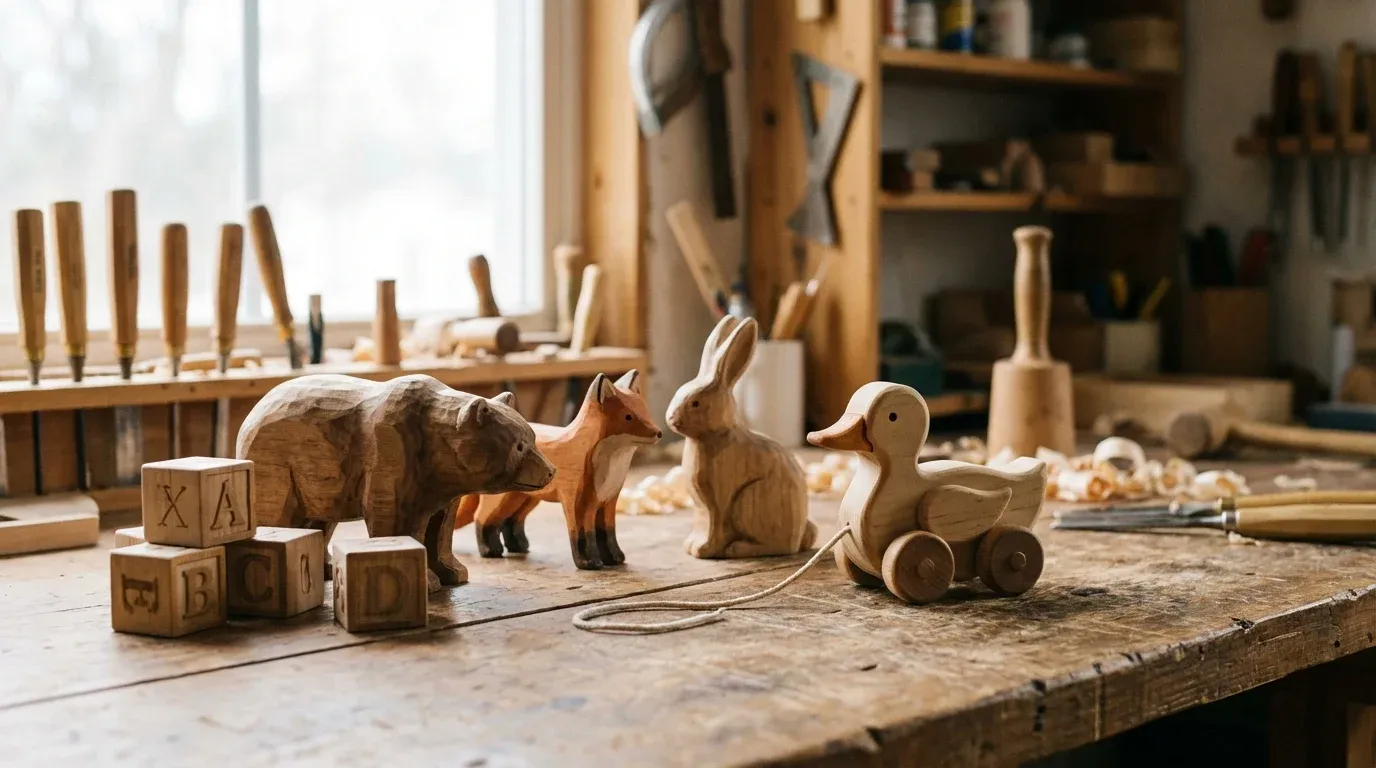
Why Are Handmade Toys Expensive? Understanding the True Value Behind Artisan Craftsmanship
You've spotted the perfect wooden toy for your child—beautifully crafted, eco-friendly, and utterly charming. Then you see the price tag. Three times the cost of a mass-produced plastic equivalent. Your first thought? "Why are handmade toys so expensive?"
It's a question parents ask constantly, particularly when budgets are tight and toy shops overflow with cheaper alternatives. The price gap between handmade and factory-made toys can feel jarring, especially when both serve the same basic purpose: keeping children entertained.
However, the cost difference isn't arbitrary. Behind every handmade toy lies hours of skilled labour, quality materials, ethical production practices, and a level of durability that mass-produced items simply can't match. These toys aren't just playthings—they're investments in sustainability, safety, and supporting skilled artisans who keep traditional crafts alive.
In this guide, we'll break down exactly what drives the pricing of handmade toys, from material sourcing to labour costs. You'll discover why that higher price tag often translates to better value over time, how to identify genuine quality craftsmanship, and practical strategies for finding affordable handmade options that fit your budget. By understanding the real economics behind artisan toys, you'll make more informed purchasing decisions that align with both your values and your wallet.
Why Handmade Toys Come with Premium Price Tags: Understanding the True Value
You've spotted the perfect wooden puzzle or lovingly crafted teddy bear, then glanced at the price tag and wondered: why are handmade toys so expensive compared to mass-produced alternatives?
The answer isn't simply "because they're handmade." Behind each premium price lies a complex equation of craftsmanship, materials, labour, and values that fundamentally differ from factory production. Understanding these factors helps you make informed purchasing decisions whilst appreciating what you're truly investing in.
The Real Cost Behind Handmade Toys
Quality Materials Drive Up Base Costs
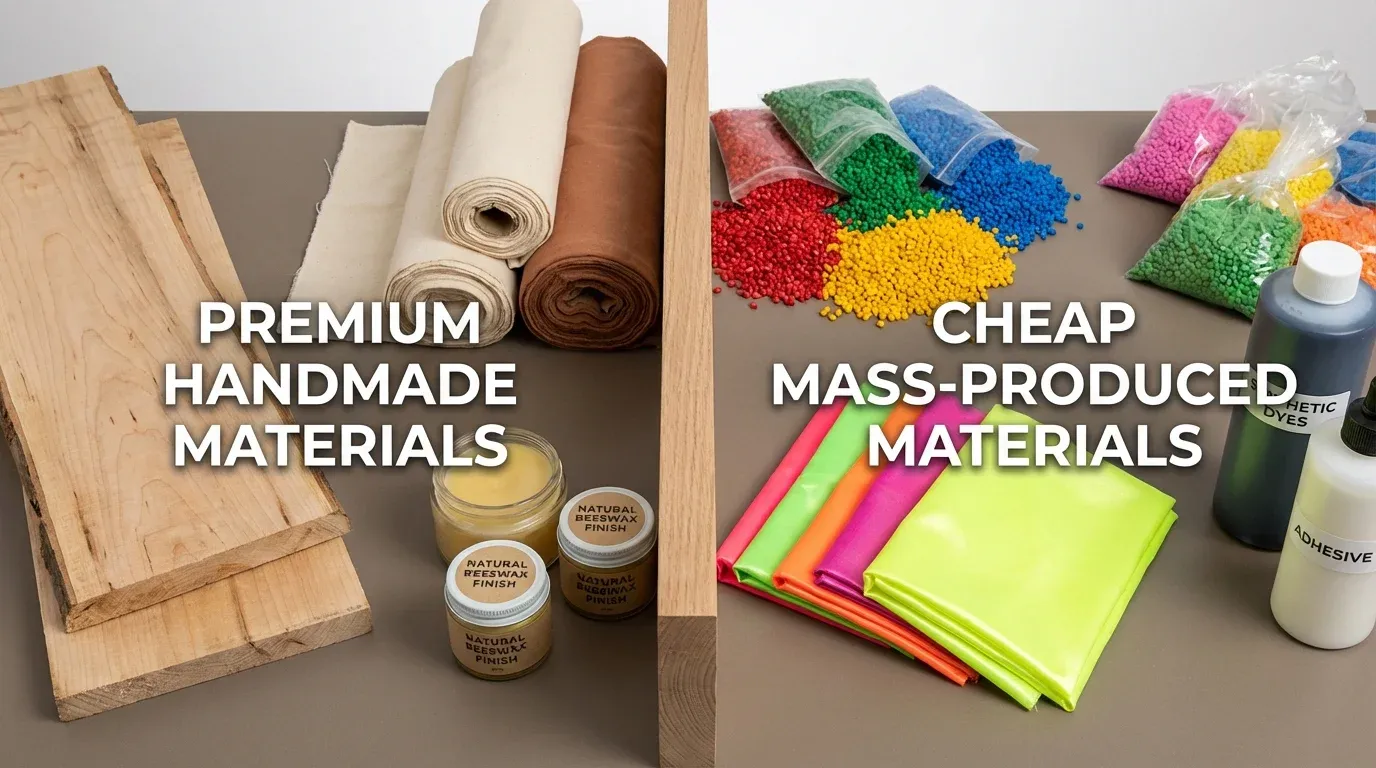
Artisan toymakers prioritise safe, sustainable materials over cheap alternatives. They select premium hardwoods like maple and beech rather than particle board, organic cotton instead of synthetic fabrics, and non-toxic, plant-based finishes rather than chemical varnishes.
These materials cost 3-5 times more than mass-production materials, but they deliver crucial benefits:
- Durability: Quality wood toys withstand decades of play
- Safety: Natural materials contain no harmful chemicals or small parts
- Sustainability: Responsibly sourced materials reduce environmental impact
- Sensory value: Natural textures and weights enhance developmental play
A single handcrafted wooden pull-along toy might require £15-20 in raw materials alone, whereas a plastic equivalent costs manufacturers under £2.
The Labour Equation: Hours vs Minutes
Mass-produced toys roll off assembly lines at 500-1,000 units per hour. Handmade toys? A skilled artisan might complete 2-5 pieces per day.
Consider a hand-sewn cloth doll: cutting patterns, stitching by hand, stuffing with natural fibres, embroidering facial features, and finishing details requires 4-6 hours. At fair wage rates, labour alone accounts for £60-90 of the final price.
This time investment ensures:
- Meticulous attention to detail and finishing
- Customisation options unavailable in factory settings
- Quality control at every production stage
- Personal touches that create heirloom-quality pieces
Small-Scale Production Economics
Craftspeople can't leverage bulk purchasing or automated efficiency. They order materials in smaller quantities at higher per-unit costs, maintain individual workshops rather than shared factory spaces, and handle every business function from creation to marketing themselves.
Without economies of scale, overhead costs distribute across fewer items, necessarily increasing prices.
Expertise and Specialisation Premium
Many toymakers spend years developing their skills through apprenticeships, courses, and practice. This expertise commands appropriate compensation—you're paying for refined techniques, design knowledge, and creative vision that machines cannot replicate.
What You Actually Gain from Higher Prices
Longevity That Justifies Investment
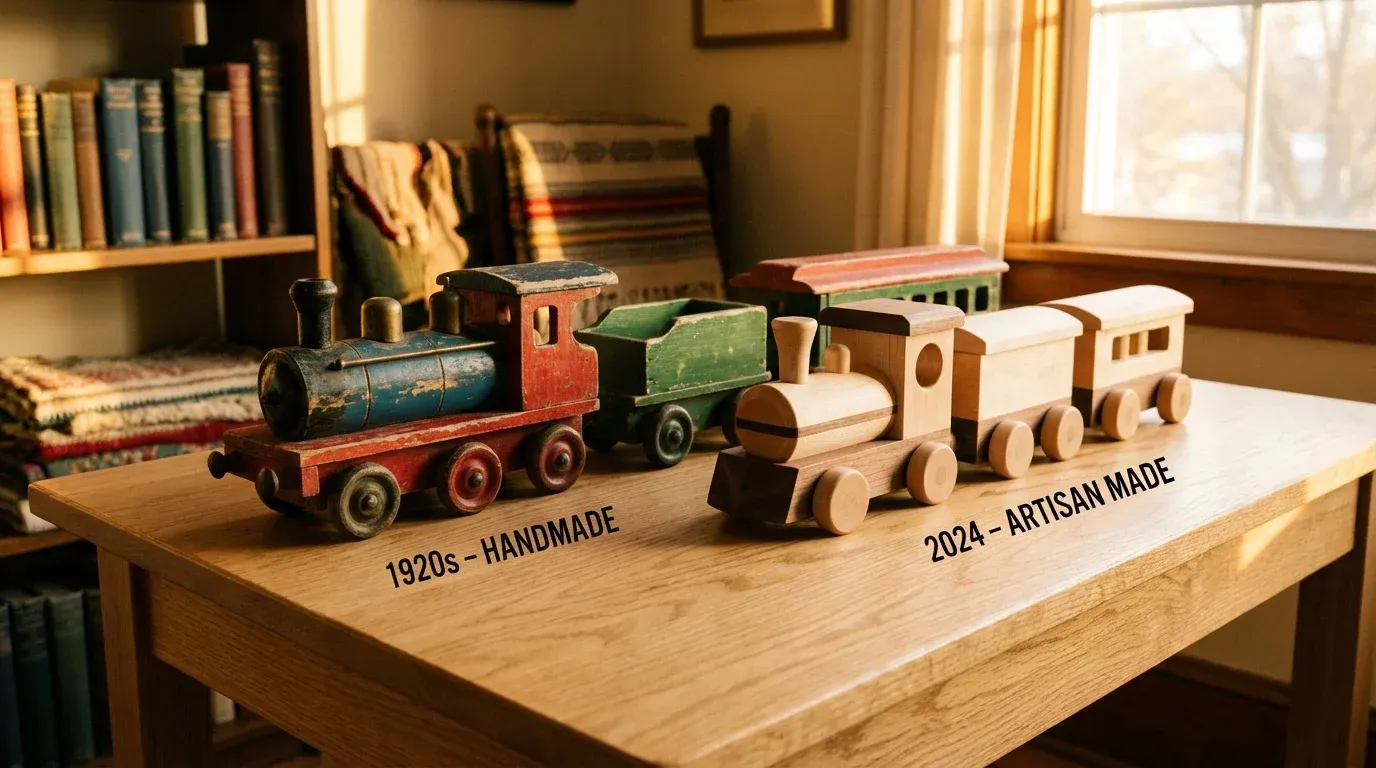
Quality handmade toys typically outlast mass-produced alternatives by 5-10 years or more. A £60 wooden train set used daily for a decade costs just £6 per year, whilst a £15 plastic equivalent lasting 18 months costs £10 annually.
This durability also creates hand-me-down potential, spreading costs across multiple children or even generations.
Developmental and Educational Value
Craftspeople design toys with child development principles in mind. Simple, open-ended designs encourage imagination and problem-solving rather than passive button-pushing. Natural materials provide sensory experiences crucial for young children's neural development.
These developmental benefits carry monetary value that standard pricing doesn't capture.
Ethical Production Assurance
Higher prices often fund:
- Fair wages for artisans in their local economies
- Safe working conditions
- Environmentally responsible practices
- Community support and preservation of traditional crafts
You're not just buying a toy; you're supporting sustainable, ethical business models.
Uniqueness and Personalisation
Mass production creates uniformity. Handmade toys offer natural variation, customisation options, and one-of-a-kind character. This uniqueness holds emotional value that identical factory items cannot provide.
Making Handmade Toys Work Within Your Budget
You don't need unlimited funds to incorporate handmade toys into your child's playroom. Strategic purchasing maximises value:
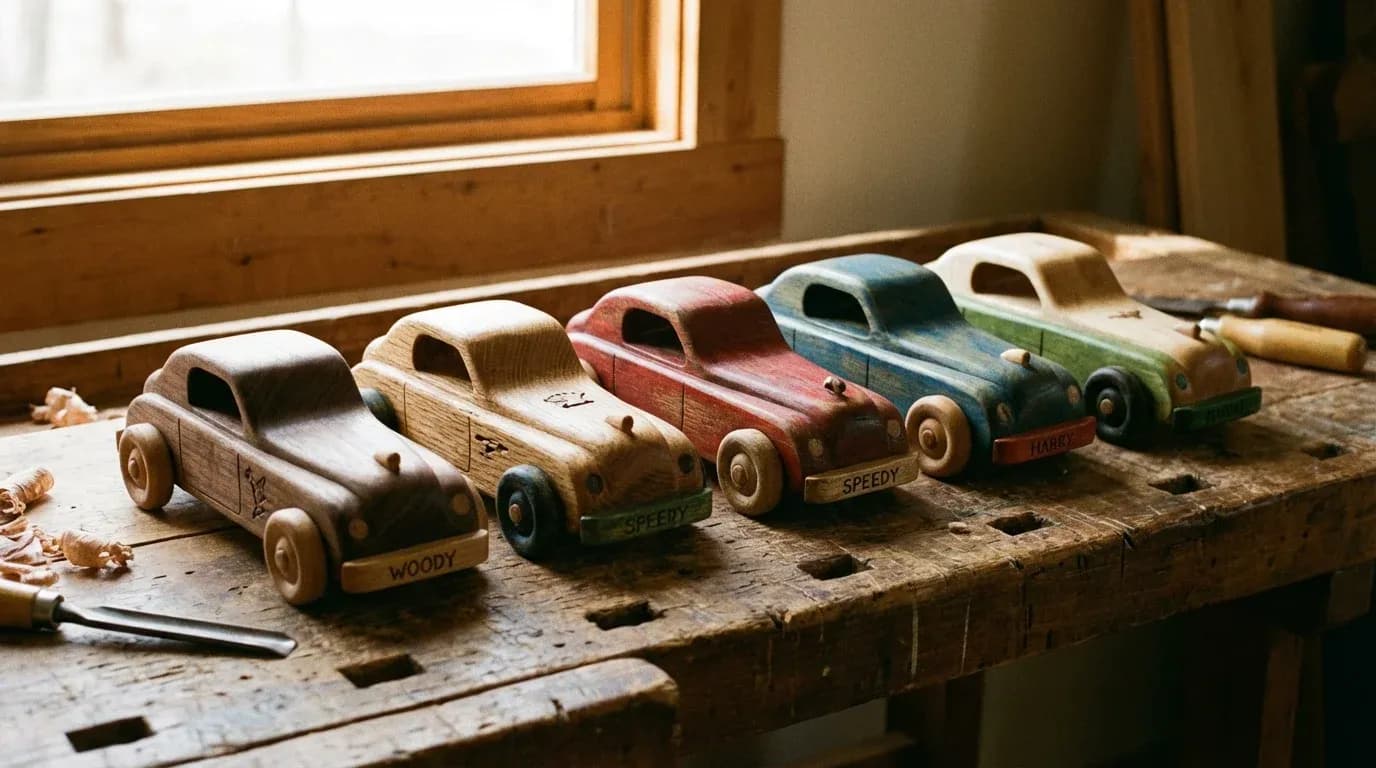
Prioritise investment pieces: Choose handmade for core toys that receive heavy use—building blocks, dolls, vehicles—whilst supplementing with less expensive options for trend-based or seasonal items.
Buy for multiple children: Handmade toys' durability makes them ideal for families planning more children or willing to share with friends and family.
Consider special occasions: Rather than numerous cheap gifts, request one quality handmade toy for birthdays or holidays from extended family members.
Shop directly from makers: Purchasing from artisans at markets or through their websites eliminates retailer markups, typically saving 20-30%.
Join toy libraries: Some communities offer lending libraries for premium toys, providing access without full purchase costs.
3D Printed Toys: The Modern Middle Ground
For parents seeking a balance between mass-produced and fully handmade toys, 3D printed options offer an increasingly attractive compromise. Local 3D printing vendors—whether at craft marketplaces or through online stores—can provide personalised, premium-quality toys at more accessible price points than traditional handcrafted items.
The cost advantage comes from reduced labor intensity. While a woodworker might spend hours hand-carving and finishing a single toy, 3D printers can produce detailed designs with minimal hands-on time. This efficiency translates to savings for buyers without sacrificing customisation or quality.
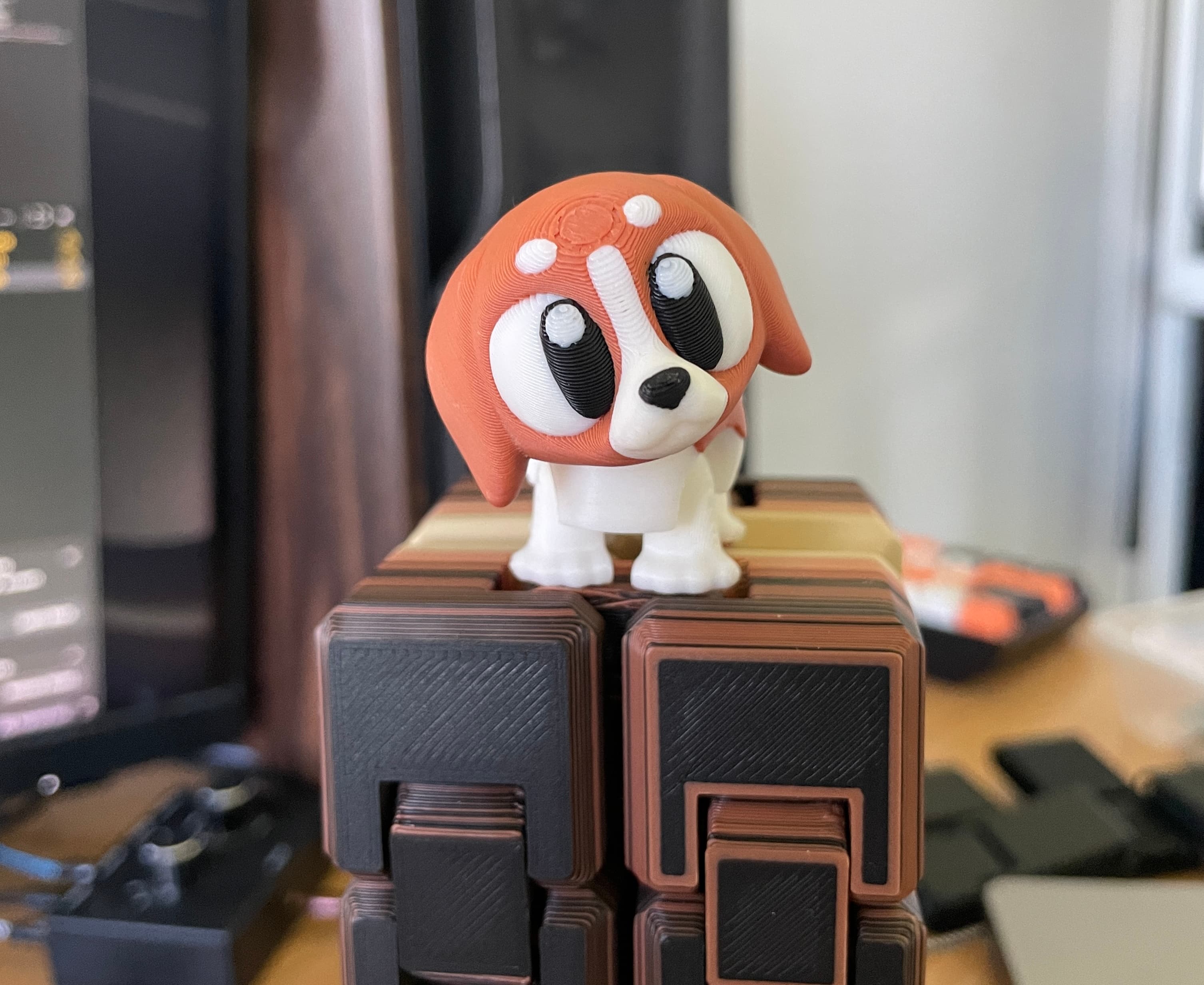
Many toy-focused 3D printing businesses use PLA (polylactic acid), a biodegradable plastic derived from renewable resources like corn starch. While not as heirloom-worthy as hardwood, PLA offers an eco-conscious alternative to petroleum-based plastics found in mass-market toys. These items can be composted in industrial facilities, making them a responsible middle path between disposable plastic toys and premium wooden alternatives.
When buying 3D printed toys, look for local makers who can customise designs to your child's interests, use food-safe filaments for younger children, and stand behind their print quality. You'll often pay 40-60% less than equivalent handmade wooden toys while still supporting small businesses and getting something far more unique than factory products.
The Bottom Line on Handmade Toy Pricing
Handmade toys cost more because they genuinely cost more to produce responsibly. The premium reflects fair compensation, quality materials, skilled labour, and values-driven business practices that mass production cannot match.
Rather than seeing handmade toys as expensive, consider them as investments—in your child's development, in sustainable practices, in preserving traditional crafts, and in supporting ethical small businesses. The true question isn't why they cost more, but what value you place on these benefits.
When you understand the full equation behind pricing, those price tags begin to make perfect sense.
Ready to invest in quality, sustainable toys that last? Research local artisan toymakers in your area or explore online marketplaces specialising in handcrafted children's goods. Start with one investment piece and experience the difference firsthand.
Making Smart Choices with Handmade Toys
Whilst handmade toys often carry higher price tags than mass-produced alternatives, understanding the reasons behind their cost helps you make informed purchasing decisions. The premium reflects genuine craftsmanship, quality materials, ethical production practices, and the time invested by skilled artisans.
Whether handmade toys are worth the investment depends on your priorities. If you value sustainability, uniqueness, and supporting small businesses, the higher cost delivers tangible benefits beyond the toy itself. These pieces often become treasured heirlooms that last for generations, ultimately providing better value than cheaper alternatives that require frequent replacement.
However, budget-conscious parents needn't choose between quality and affordability. Consider starting with a few carefully selected handmade pieces for special occasions, mixing them with well-chosen conventional toys. Look for local craft markets, follow artisans on social media for sales announcements, or explore handmade toy cooperatives for more accessible pricing.
Ready to explore handmade toys for your family? Start by identifying one or two trusted local artisans or small businesses whose values align with yours. Follow their work, understand their process, and make your first investment when it feels right. Remember, you're not just buying a toy—you're supporting craftsmanship, encouraging sustainable practices, and giving your child something truly special.
The conversation around handmade toy pricing reveals a broader shift towards conscious consumerism. By understanding what drives these costs, you're better equipped to make choices that benefit your family, support artisans, and contribute to a more sustainable toy industry.