
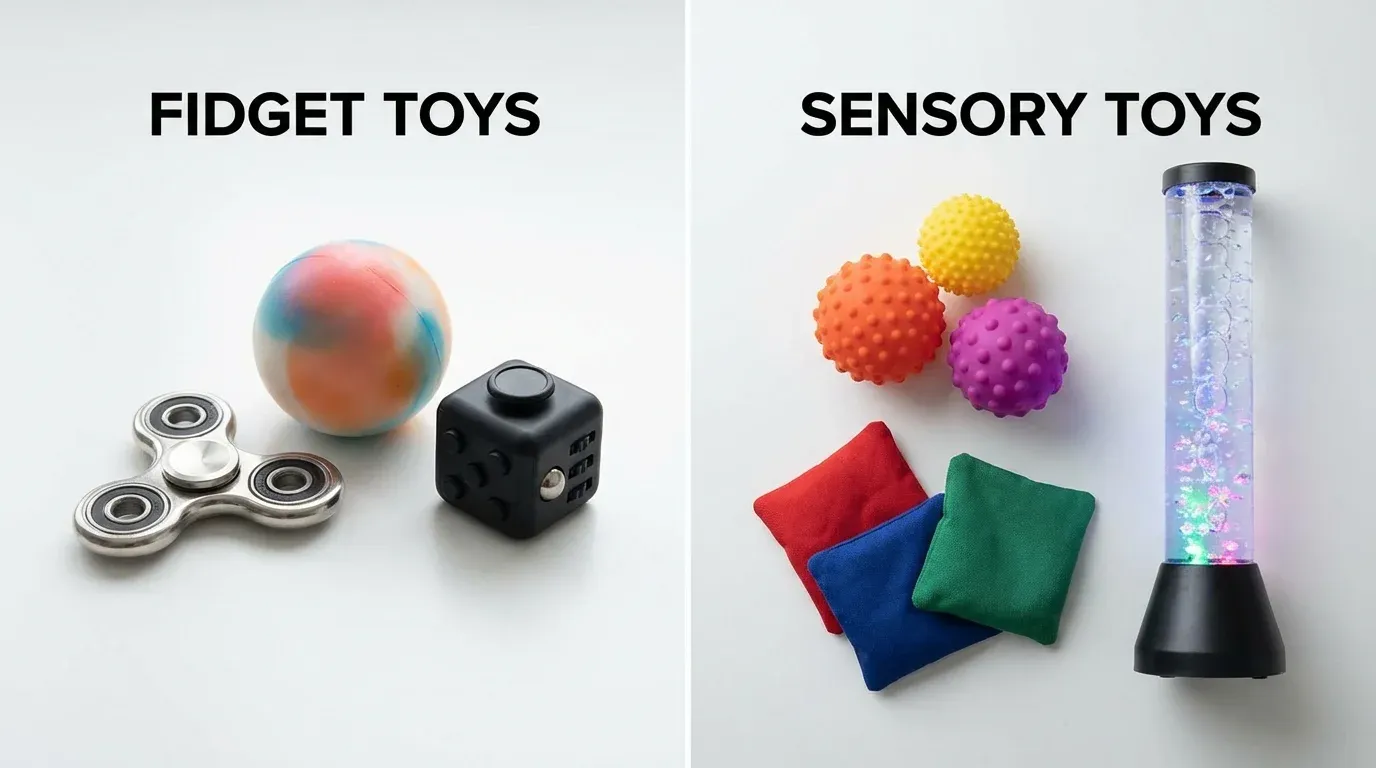
You've spotted your child fidgeting during homework again, or perhaps you're seeking tools to help with focus at work. Standing in the toy aisle or scrolling through online shops, you're confronted with an overwhelming array of options labelled "fidget toys" and "sensory toys"—but what's the actual difference?
Many parents, educators, and therapists struggle with this confusion, often using these terms interchangeably. This misunderstanding can lead to purchasing products that don't meet specific needs, wasting money and potentially missing opportunities for genuine therapeutic benefit. A child who needs deep pressure stimulation won't benefit from a simple fidget spinner, just as an adult seeking focus tools doesn't require a full sensory integration kit.
Understanding the distinction between fidget toys vs sensory toys isn't just semantics—it's essential for making informed choices that truly support developmental needs, sensory processing challenges, or concentration requirements. Fidget toys primarily serve to improve focus and reduce stress through repetitive motion, whilst sensory toys address broader sensory processing needs and developmental goals.
This guide clarifies the key differences between these two categories, explores their distinct purposes, and helps you identify which type best suits your specific situation. Whether you're supporting a neurodivergent child, managing workplace stress, or addressing sensory processing disorder, you'll gain the knowledge to choose effectively.
Fidget Toys vs Sensory Toys: Understanding the Key Differences
Are you standing in a therapy supply shop or browsing online, confused about whether your child needs fidget toys or sensory toys? You're not alone. Many parents, educators, and therapists struggle to distinguish between these two categories, often using the terms interchangeably—but they're not quite the same thing.
Understanding the Core Differences
What Makes Fidget Toys Unique
Fidget toys serve a specific purpose: they help channel restless energy and improve focus through repetitive, often mindless movements. Think of them as outlets for excess physical energy that might otherwise manifest as tapping, clicking, or other distracting behaviours.
These tools typically feature simple, repetitive actions like spinning, clicking, or squeezing. A spinner toy, for instance, allows someone to maintain movement whilst concentrating on a lecture or meeting. The key characteristic is their discrete, non-disruptive nature—you can use them without drawing attention or requiring significant mental engagement.
The Broader World of Sensory Toys
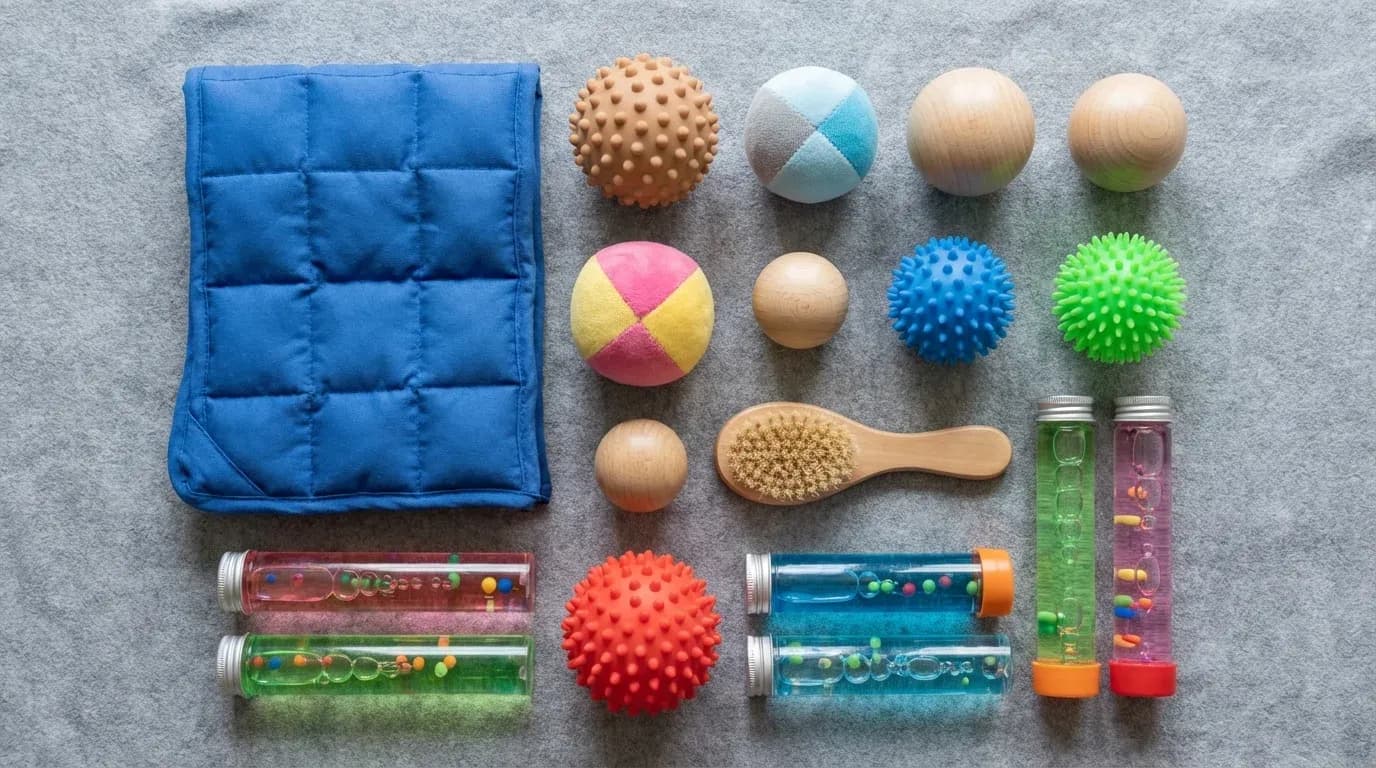
Sensory toys, by contrast, encompass a much wider range of tools designed to engage one or more of the five senses. Their primary goal is to provide sensory input that helps regulate the nervous system, whether that means calming an overstimulated child or alerting an under-responsive one.
These toys might include textured balls, weighted blankets, bubble tubes, or sound-making devices. Unlike fidget toys, they're not necessarily subtle or background tools. A child might actively play with sensory toys during designated "sensory break" times rather than whilst trying to focus on another task.
The Overlap Zone
Here's where it gets interesting: some tools function as both fidget and sensory toys. A textured stress ball, for example, provides tactile sensory input whilst also serving as a fidget tool during concentration tasks. This overlap explains much of the confusion between the two categories.

Choosing the Right Tool for Your Needs
When Fidget Toys Work Best
Fidget toys excel in situations requiring maintained attention. They're ideal for:
- Classroom environments where students need to focus on lessons
- Office settings during long meetings or phone calls
- Reading or homework sessions
- Any situation requiring concentration alongside movement needs
The effectiveness lies in their ability to satisfy the body's need for movement without distracting from the primary task. Research suggests that this low-level physical activity can actually enhance cognitive performance for individuals with attention challenges.

When Sensory Toys Are More Appropriate
Sensory toys become essential when someone needs:
- Regulated sensory input to manage anxiety or stress
- Calming activities during meltdowns or high-emotion moments
- Stimulation for under-responsive sensory systems
- Therapeutic interventions addressing specific sensory processing challenges
An occupational therapist might recommend sensory toys as part of a comprehensive sensory diet—a personalised plan of activities providing the sensory input someone needs throughout their day.
Practical Selection Tips
Start with the objective. Ask yourself: "Am I trying to help someone focus better, or am I addressing broader sensory regulation needs?" This question alone clarifies which category you need.
Consider the environment. Fidget tools should work in various settings without causing disruption. Sensory toys often require dedicated time and space for proper use.
Observe individual responses. What calms one person might overstimulate another. Pay attention to how someone responds to different textures, movements, and sensory inputs. This observation proves more valuable than any general recommendation.
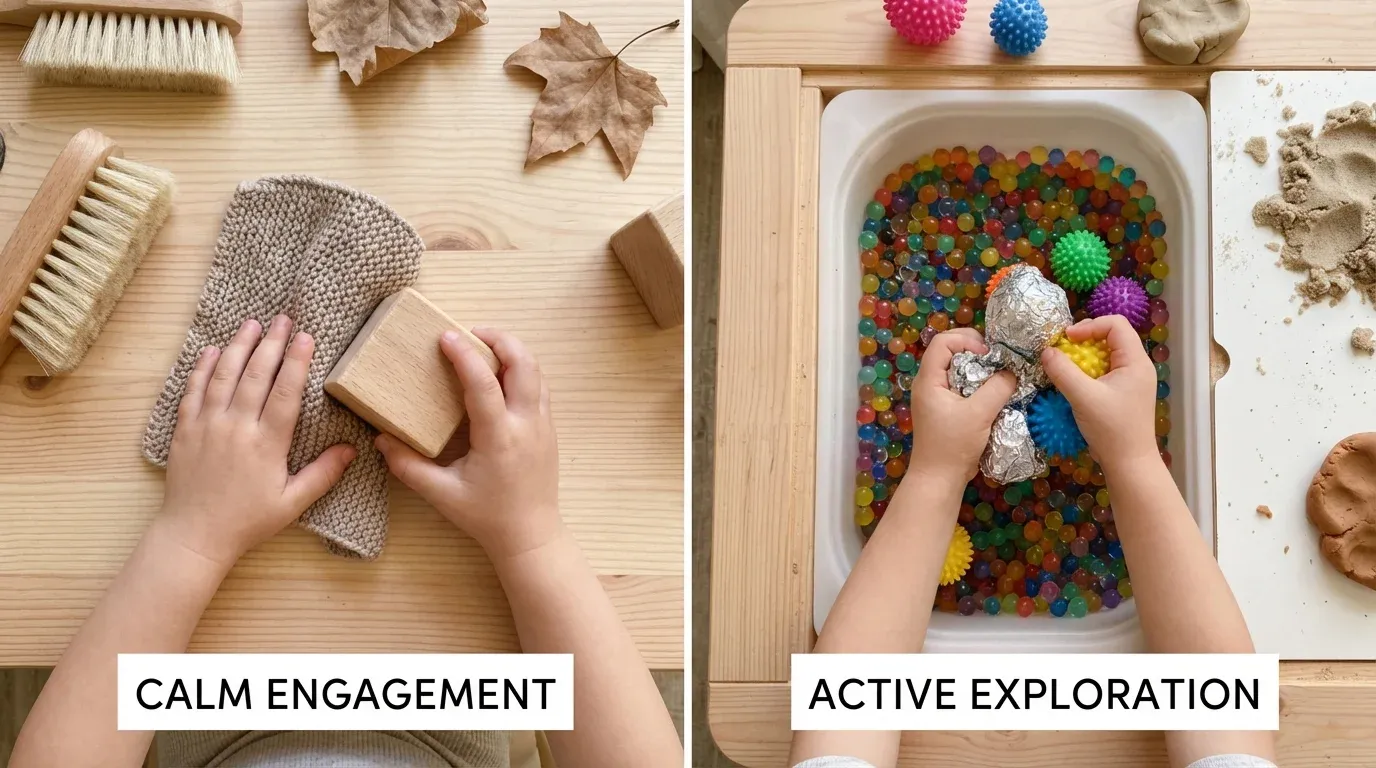
Don't limit yourself to one category. Most people benefit from having both types available. A child might use a fidget toy during class and sensory toys during breaks or at home.
Moving Forward with Confidence
Understanding the distinction between fidget and sensory toys empowers you to make informed choices. Rather than viewing them as competing options, recognise them as complementary tools in your sensory toolkit.
Whether you're supporting a child with ADHD, autism, anxiety, or simply helping someone manage everyday stress, choosing the right tool makes a measurable difference. Start by identifying your specific needs, experiment with different options, and remember that the "right" choice is whatever works best for the individual using it.
Ready to build an effective sensory toolkit? Begin by evaluating when concentration challenges occur versus when sensory regulation needs arise—this assessment will guide you toward the most beneficial solutions.
Making the Right Choice for Your Needs
Understanding the distinction between fidget toys and sensory toys empowers you to make informed decisions that truly support developmental and therapeutic goals. Whilst fidget toys excel at providing discreet movement outlets during focused activities, sensory toys offer comprehensive engagement across multiple sensory systems for exploration and regulation.
The key lies in recognising your specific requirements. For classroom concentration or workplace productivity, fidget tools like stress balls or subtle spinners provide just enough tactile input to maintain focus. However, when addressing broader sensory processing challenges or supporting early childhood development, purpose-designed sensory toys deliver targeted therapeutic benefits that fidget alternatives simply cannot match.
Remember that these categories aren't mutually exclusive—many individuals benefit from having both options available. A child might use weighted sensory tools during calm-down time, then switch to a simple fidget widget during homework. Adults managing anxiety might combine textured sensory objects for grounding with discrete fidget devices for meetings.
Ready to find the perfect sensory or fidget solution? Consider conducting a simple audit of your daily activities and noting when you need subtle movement support versus full sensory engagement. Consult with occupational therapists when addressing specific sensory processing concerns, as they can recommend evidence-based tools tailored to individual needs. Whether you're supporting a child's development, managing your own focus challenges, or creating an inclusive environment, choosing the right tool transforms it from a simple toy into a genuine support strategy.
Start with one quality option that addresses your primary need, then expand your toolkit as you discover what works best.