

When your child reaches for that colourful toy or sips from their favourite cup, you naturally wonder: is this safe? With PLA plastic appearing in everything from children's tableware to building blocks, understanding its safety profile isn't just good parenting—it's essential.
PLA (polylactic acid) plastic has surged in popularity as a "plant-based" alternative to traditional plastics, but the eco-friendly label doesn't automatically guarantee safety for children. Parents face genuine concerns about chemical leaching, heat sensitivity, and whether these bioplastics meet the same rigorous safety standards as conventional materials.
The stakes feel particularly high with children, whose developing bodies are more vulnerable to potential toxins. You've likely seen PLA marketed as "safe" and "natural," yet conflicting information online leaves many parents uncertain about which products to trust. Should you embrace PLA products for your family, or stick with tried-and-tested alternatives?
This guide cuts through the marketing claims to deliver evidence-based answers about PLA plastic safety for children. We'll examine the science behind PLA composition, review current safety standards, explore real-world usage considerations, and provide practical guidance for making informed choices about PLA products in your home. You'll discover when PLA truly shines as a safe option—and when you might want to consider alternatives.
Is PLA Plastic Safe for Kids? What Parents Need to Know
When it comes to children's safety, every material that touches your child matters. You've likely encountered PLA plastic in toys, cups, and utensils marketed as "eco-friendly" alternatives. But is this plant-based plastic genuinely safe for your little ones?
Understanding PLA Plastic: The Basics for Concerned Parents
PLA (Polylactic Acid) plastic is derived from renewable plant resources like corn starch or sugar cane, making it fundamentally different from petroleum-based plastics. This bioplastic has become increasingly popular in children's products, from teething toys to lunch containers.
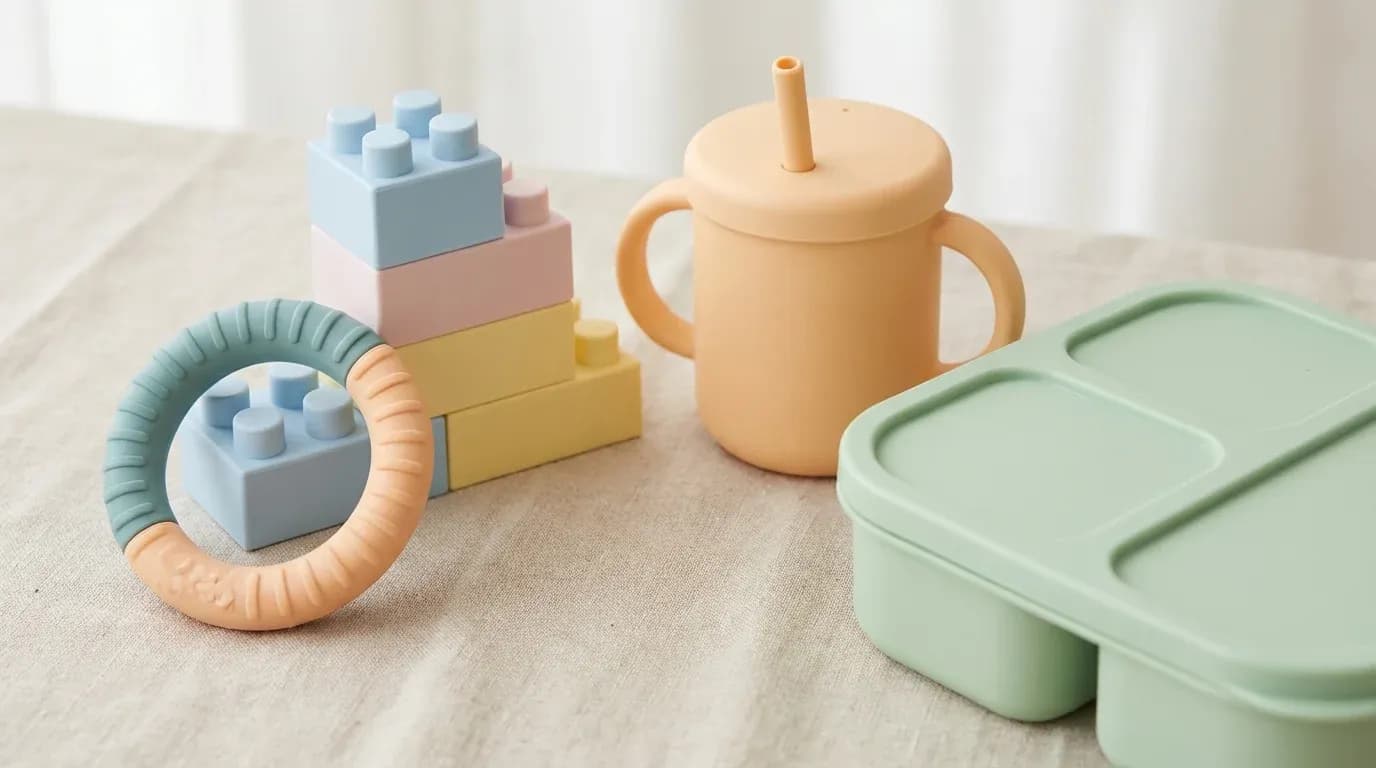
The good news? PLA plastic is generally recognised as safe for children by major health organisations. Unlike traditional plastics, PLA doesn't contain harmful chemicals like BPA, phthalates, or other endocrine disruptors that concerned parents rightly worry about.
What Makes PLA Different from Traditional Plastics
PLA stands out for several compelling reasons:
Chemical composition: Made from fermented plant sugars rather than fossil fuels, PLA's natural origin translates to fewer synthetic additives in the manufacturing process.
Non-toxic profile: Studies consistently show PLA doesn't leach harmful chemicals into food or drinks under normal use conditions. This makes it particularly suitable for items children put in their mouths.
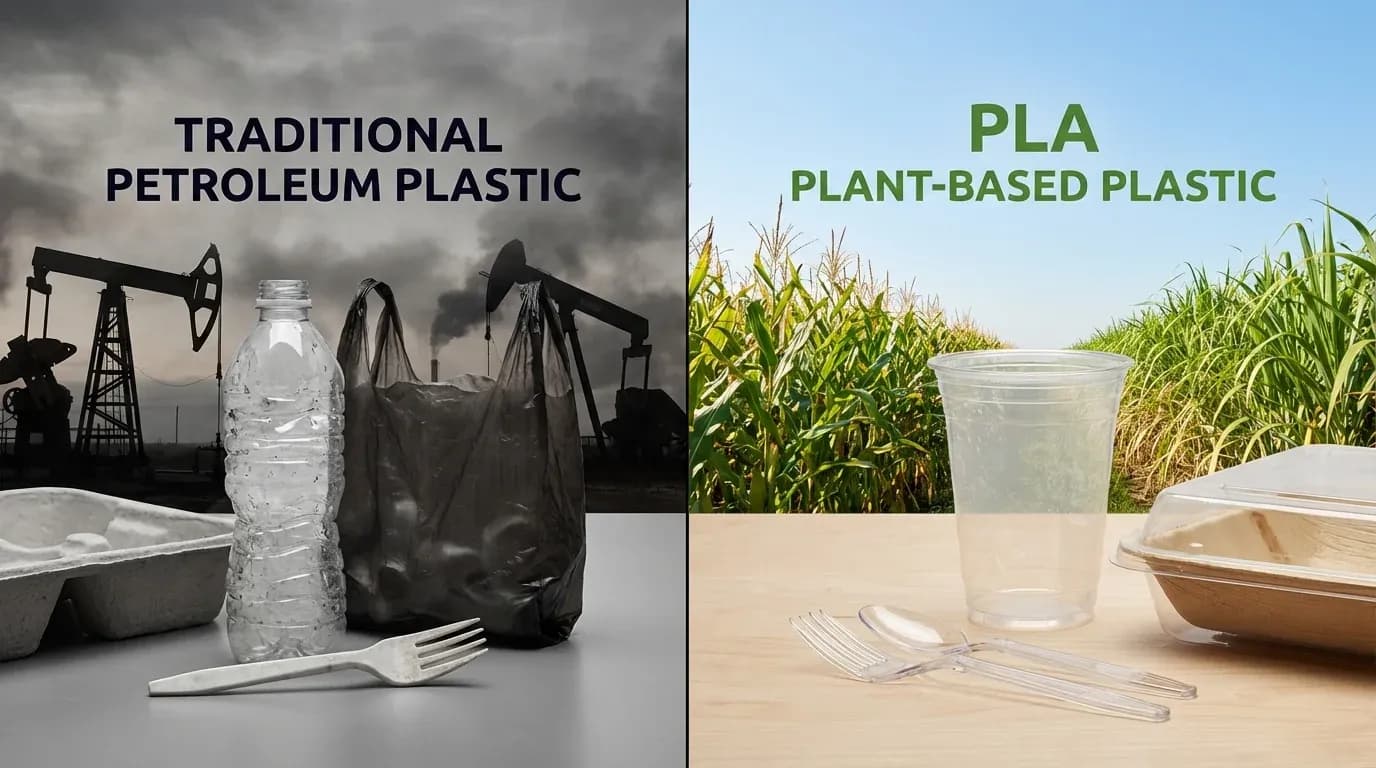
Biodegradability: While this doesn't directly impact safety, PLA breaks down more readily than conventional plastics, reducing long-term environmental exposure concerns.
Safety Considerations You Should Know
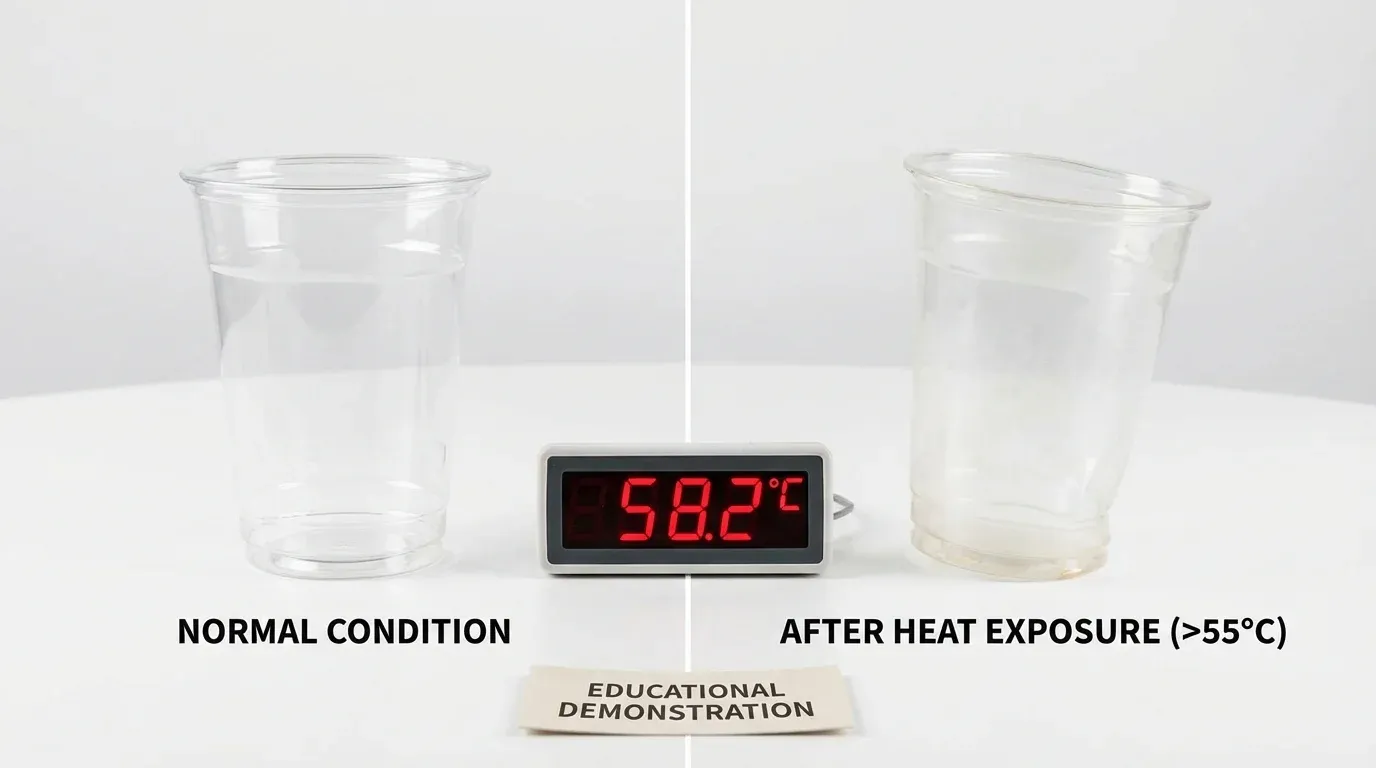
PLA plastic performs well within specific parameters. It's stable at room temperature and safe for cold beverages and foods. However, understanding its limitations protects your children better:
Heat sensitivity: PLA softens at temperatures above 50-55°C. This means it's not suitable for hot liquids or dishwashers with heated dry cycles. When PLA overheats, it can deform but doesn't release toxic fumes like some plastics.
Durability factors: PLA is more brittle than conventional plastics. For younger children who tend to throw or drop items, this means products may crack or break more easily, potentially creating sharp edges.
Choking hazards: If PLA items break into small pieces, they present standard choking risks. Always supervise young children and inspect products regularly for damage.
Making Smart Choices with PLA Products
Look for products certified by recognised safety standards. Reputable manufacturers test their PLA items specifically for children's use, ensuring they meet strict safety requirements.
Check product labels for age recommendations. Not all PLA products suit every age group, and manufacturers conduct testing to determine appropriate use cases.
Replace worn or damaged items promptly. Unlike some traditional plastics that wear gradually, PLA can crack suddenly. Regular inspection prevents potential hazards.
Practical Tips for Parents
Store PLA items away from heat sources, including direct sunlight through windows. Heat accelerates degradation and can compromise the plastic's integrity.
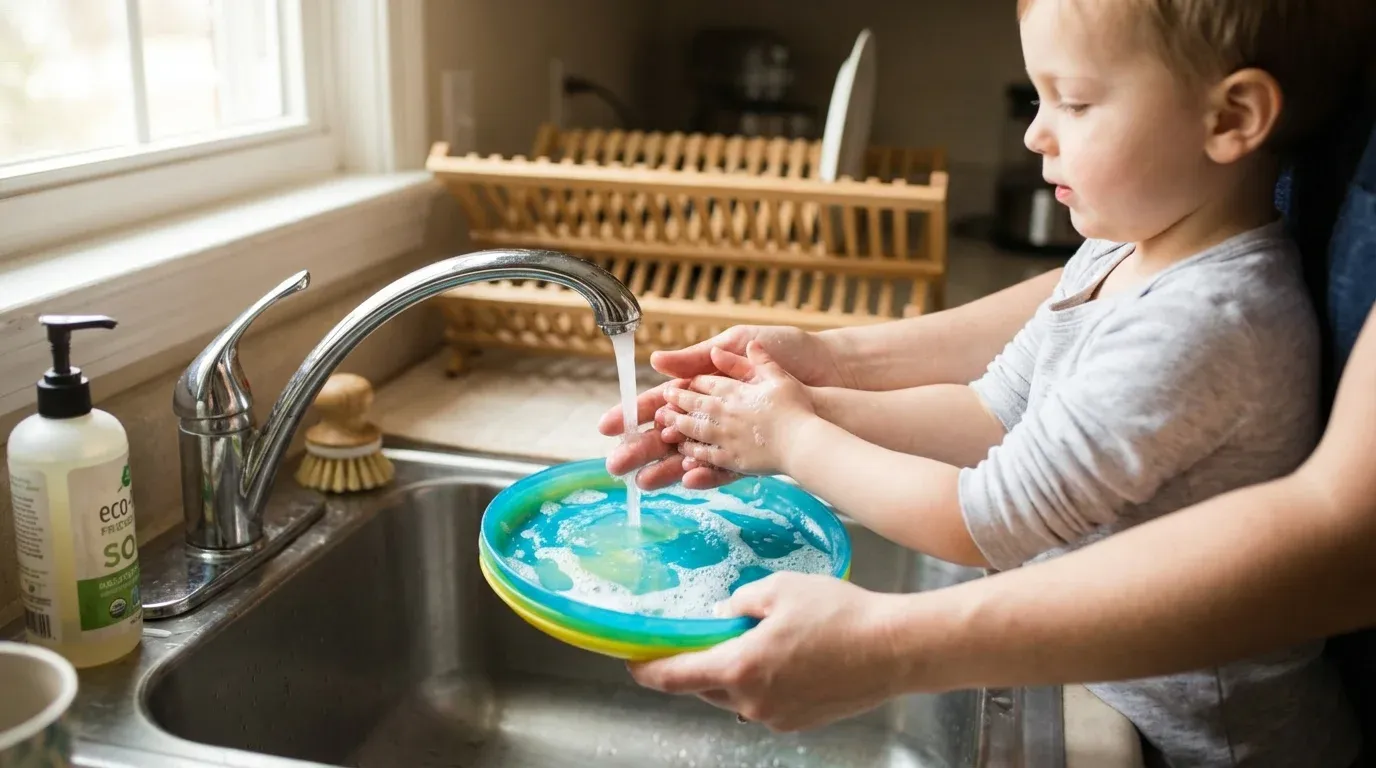
Hand wash PLA products with lukewarm water rather than using dishwashers. This extends their lifespan and maintains their safety profile.
Educate older children about proper care. Teaching kids to treat PLA items gently helps prevent breakage and reinforces environmental awareness.
The Bottom Line on PLA Safety
PLA plastic offers a safer alternative to many traditional plastics for children's products. Its plant-based composition, absence of harmful additives, and non-toxic profile make it a solid choice for health-conscious parents.
However, it's not indestructible. Understanding PLA's limitations—particularly regarding heat and durability—ensures you use these products safely and effectively.
Ready to make informed choices about your children's plastic exposure? Start by checking existing products for material composition, gradually replacing items containing concerning chemicals with safer alternatives like PLA. Your children's health deserves materials you can trust.
Making Informed Choices About PLA Plastic for Your Children
When it comes to children's safety, understanding the materials they interact with daily is essential. PLA plastic stands out as a generally safe option for kids' products, offering a plant-based alternative to traditional petroleum-derived plastics.
The evidence points to PLA's favourable safety profile: it's BPA-free, produces no harmful fumes under normal use, and breaks down naturally over time. However, responsible use remains crucial. Always verify that PLA products meet relevant safety standards, avoid exposing items to high temperatures, and supervise young children during use—particularly with 3D printed toys that may have small parts.
Remember that material safety is just one piece of the puzzle. Manufacturing quality, product design, and age-appropriate use all play vital roles in keeping your children safe. PLA's plant-based origins and lower environmental impact make it an attractive choice for eco-conscious families, but these benefits shouldn't overshadow practical safety considerations.
Ready to make safer choices for your family? Start by checking the materials in your children's current plastic items. Look for PLA certification on toys, tableware, and educational products. When purchasing new items, prioritise manufacturers who provide clear material specifications and safety testing documentation. Your informed decisions today create a safer, more sustainable environment for your children tomorrow.
If you're concerned about specific products or have questions about PLA safety, consult with your paediatrician or contact the manufacturer directly. When it comes to your child's wellbeing, there's no such thing as being too careful.