
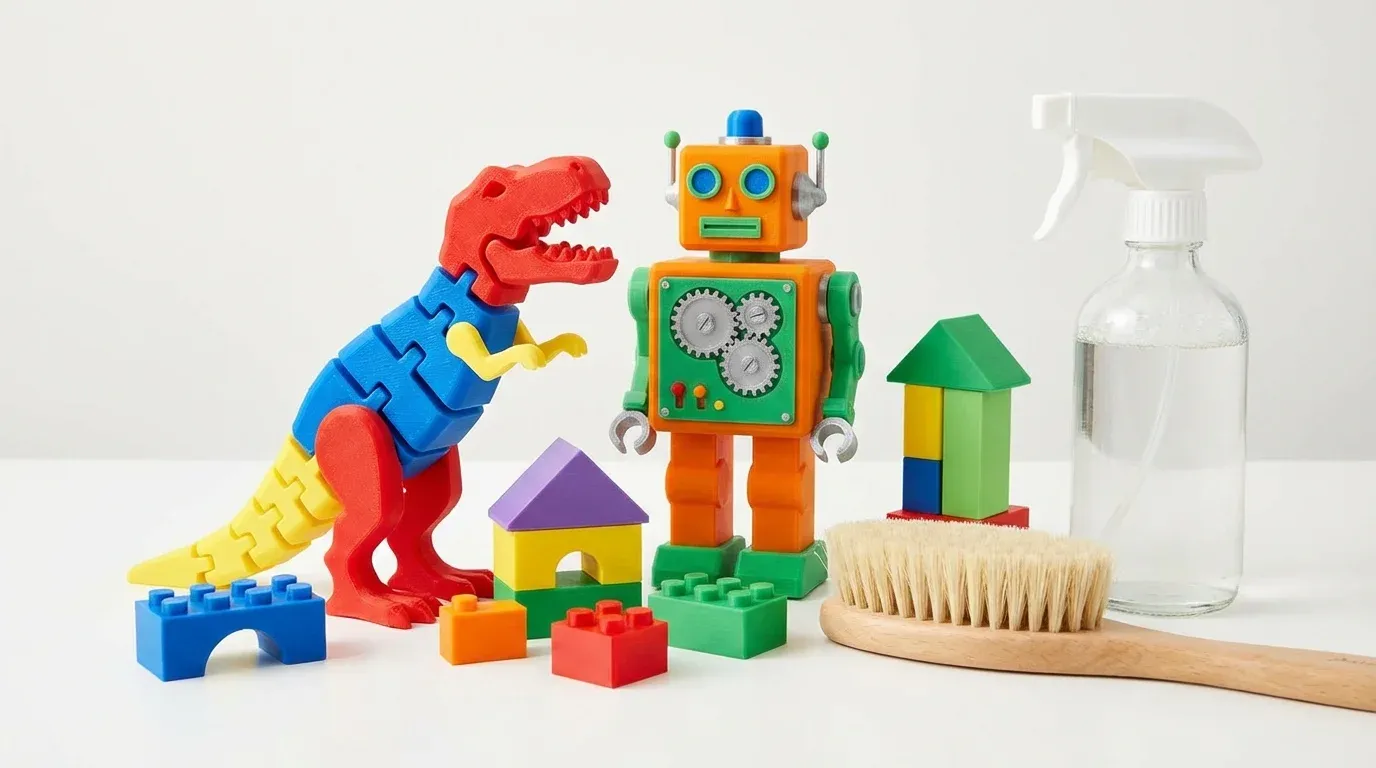
You've just finished printing an impressive toy for your child, but within days, it's sticky, dusty, and far from the pristine creation you envisioned. Sound familiar? Whether you're a parent printing custom toys at home or running a small business producing 3D printed playthings, understanding proper cleaning methods isn't just about aesthetics—it's essential for safety and longevity.
Here's the challenge: 3D printed toys have unique surface characteristics, layer lines, and material properties that make standard cleaning methods insufficient or even damaging. Traditional soap and water might seem straightforward, but different filament types—from PLA to PETG to resin—require specific approaches. Use the wrong method, and you risk warping the print, compromising structural integrity, or leaving harmful residue behind.
This guide cuts through the confusion with practical, material-specific cleaning techniques you can implement immediately. You'll discover which cleaning solutions work best for each filament type, how to sanitise toys safely for children, and preventative maintenance strategies that keep your 3D printed creations looking new. Whether you're dealing with everyday dust or stubborn grime, you'll gain confidence in maintaining your prints whilst ensuring they remain safe, hygienic, and durable for long-term use.
How to Clean 3D Printed Toys: A Complete Safety Guide
Your child's favourite 3D printed toy has survived countless adventures, but now it's covered in sticky fingerprints, dust, and mystery stains. Before you toss it in the dishwasher or scrub it with harsh chemicals, stop. Different 3D printing materials require specific cleaning methods—and using the wrong approach could damage the toy or, worse, create safety hazards for your children.
Understanding Your 3D Printed Toy's Material
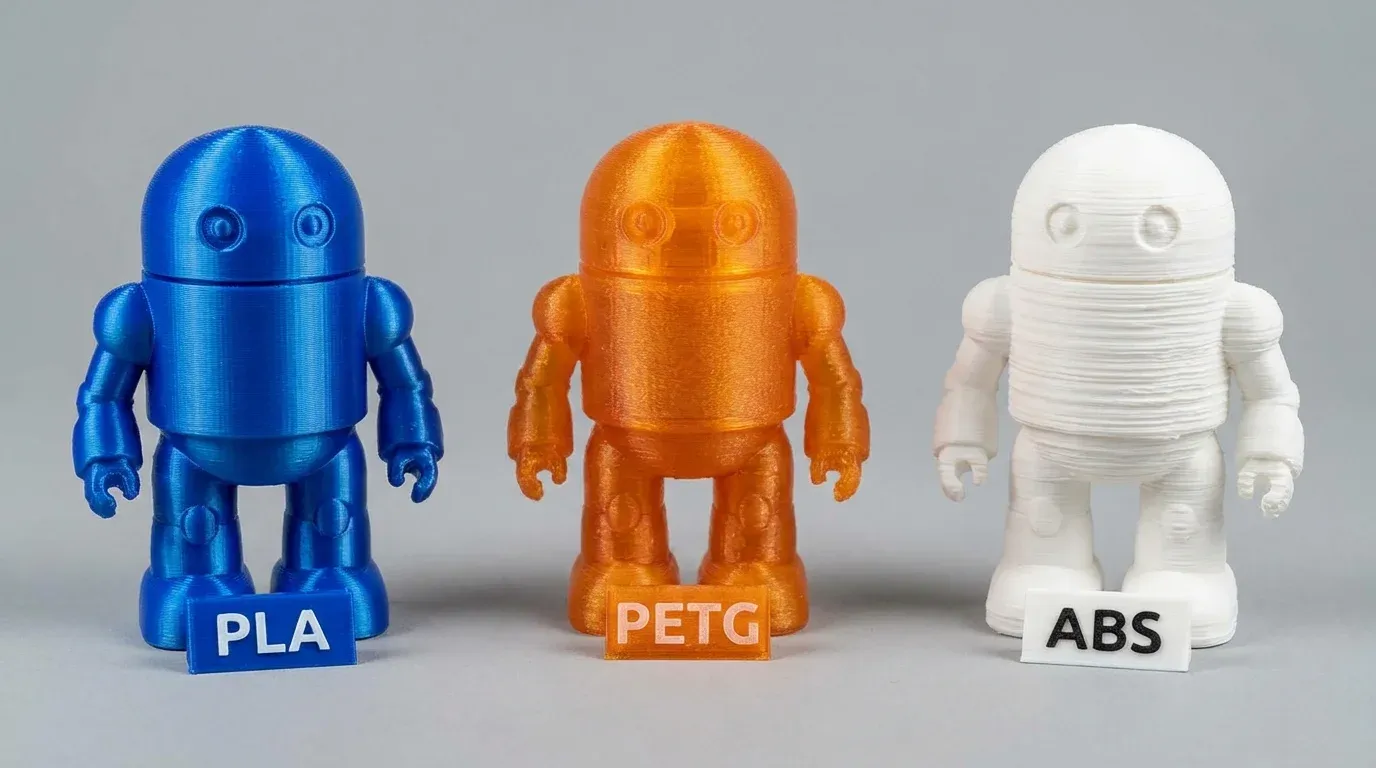
The cleaning method you choose depends entirely on what material your toy is made from. Most consumer 3D printed toys use one of three materials: PLA (polylactic acid), PETG, or ABS plastic.
PLA toys are the most common and arguably the easiest to clean. This biodegradable plastic tolerates mild cleaning solutions but can deform if exposed to hot water above 50°C. If you're unsure what material your toy is made from, check the manufacturer's specifications or assume it's PLA—it's the standard for toy printing.
PETG toys offer greater durability and chemical resistance. They handle warmer water and more robust cleaning products, making them ideal for frequently handled toys.
ABS toys are the toughest but also the most sensitive to certain cleaners. Avoid alcohol-based solutions, as they can cause surface crazing or weakening.
The Basic Cleaning Process for 3D Printed Toys
For routine cleaning of most 3D printed toys, follow this straightforward approach:
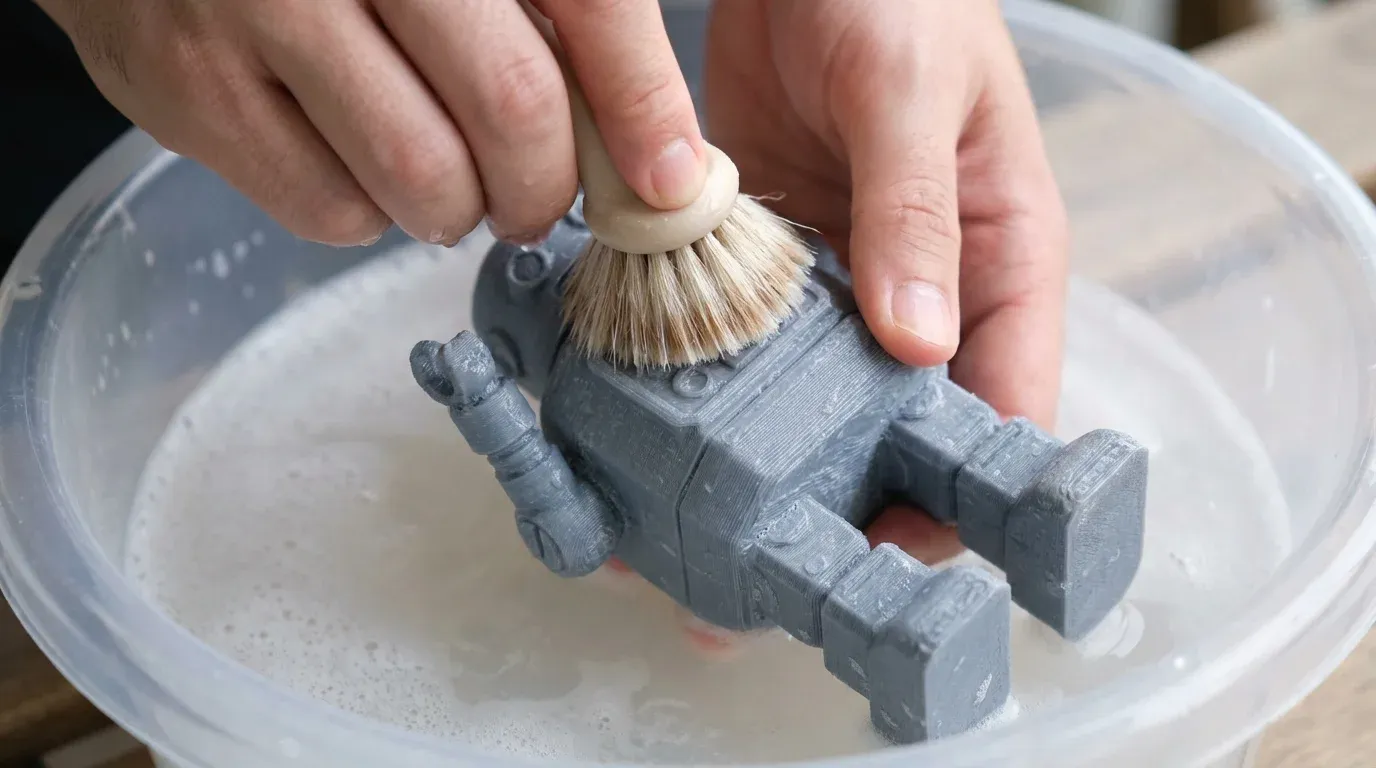
Start with lukewarm water (never hot) and a mild dish soap. Use a soft-bristled brush or microfibre cloth to gently scrub the surface, paying attention to textured areas where dirt accumulates. The layer lines characteristic of 3D printing create tiny grooves that trap debris, so gentle circular motions work best.
Rinse thoroughly under running water to remove all soap residue. This step is crucial—soap left in crevices can attract more dirt or cause skin irritation during play.
Pat dry with a clean towel, then allow the toy to air dry completely before giving it back to children. Moisture trapped in hollow sections can promote bacterial growth.
Dealing with Stubborn Stains and Grime
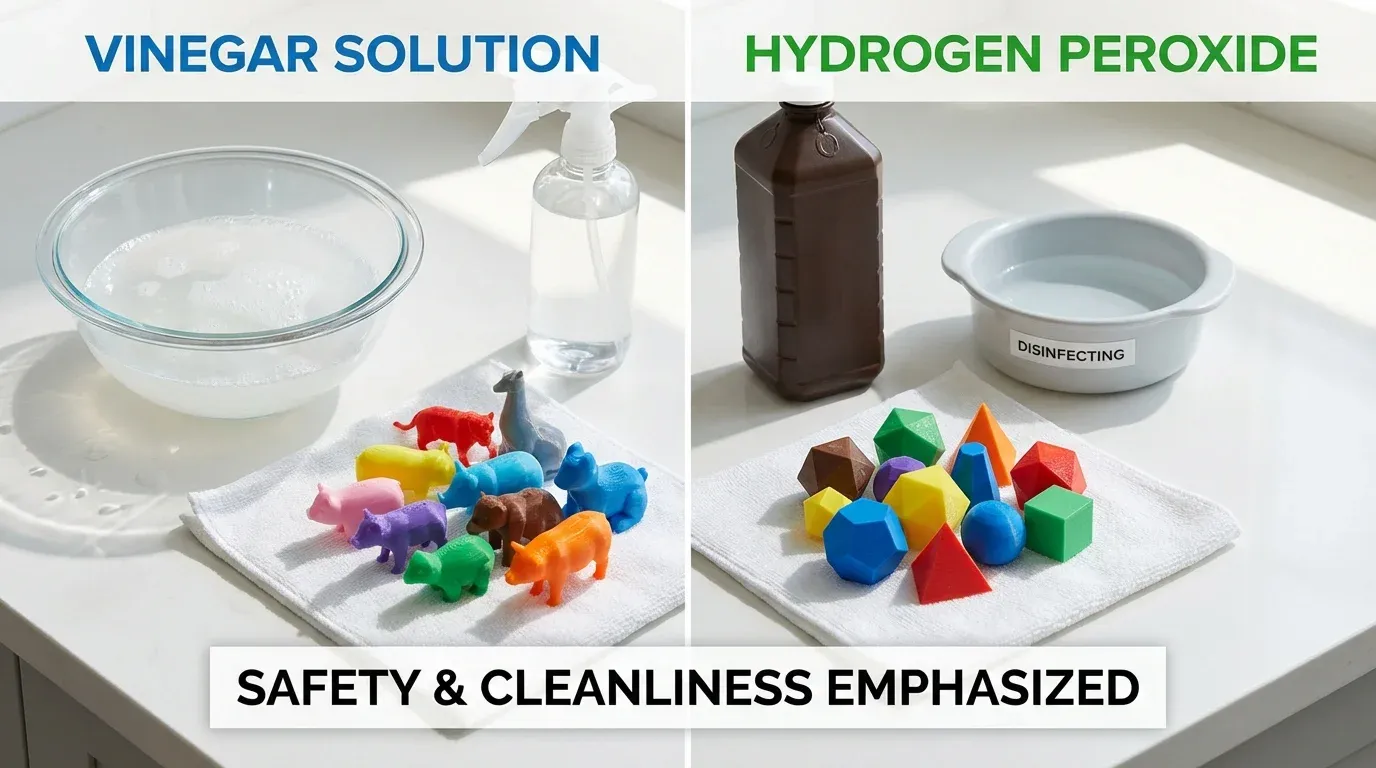
When basic washing isn't enough, create a cleaning solution using one part white vinegar to three parts water. This natural disinfectant works well on most 3D printed materials without causing damage. Soak smaller toys for 10-15 minutes, or use the solution with your soft brush for larger items.
For toys with intricate details, a soft toothbrush proves invaluable for reaching tight spaces. Never use abrasive scrubbers or steel wool—these will scratch the surface and create more places for bacteria to hide.
Disinfecting Safely
Parents often worry about germs, especially on toys shared between children or those that have been in public spaces. However, harsh disinfectants can damage 3D printed plastics.
Create a safe disinfecting solution using baby-safe disinfectant wipes or a mixture of water with a small amount of hydrogen peroxide (3% solution). Test on an inconspicuous area first. Apply, leave for 30 seconds, then rinse thoroughly.
Avoid bleach-based cleaners entirely. They can weaken plastic structures and leave harmful residues.
What to Never Do When Cleaning 3D Printed Toys
Several common cleaning mistakes can permanently damage your 3D printed toys:
Don't use dishwashers. The high heat and harsh detergents will warp most 3D printed materials, turning that beloved dinosaur into an abstract sculpture.
Don't soak for extended periods. While brief soaking is fine, leaving toys submerged for hours can cause layer separation or water absorption, particularly in PLA items.
Don't use acetone or paint thinners. These solvents literally dissolve certain plastics and should never be used on children's toys.
Don't expose to direct sunlight whilst drying. UV radiation can degrade and discolour 3D printed plastics over time.
Maintaining Your 3D Printed Toys
Regular maintenance keeps cleaning simple and extends your toy's lifespan. Wipe down frequently used toys weekly with a damp cloth. This prevents dirt build-up that requires aggressive cleaning later.
Store 3D printed toys in a cool, dry place away from direct sunlight. Heat and UV exposure can weaken the material structure over time, making toys more susceptible to damage during cleaning.
Inspect toys regularly for cracks or layer separation. Damaged toys are harder to clean thoroughly and may harbour bacteria in newly formed gaps. Address structural issues promptly or retire toys that can't be cleaned properly.
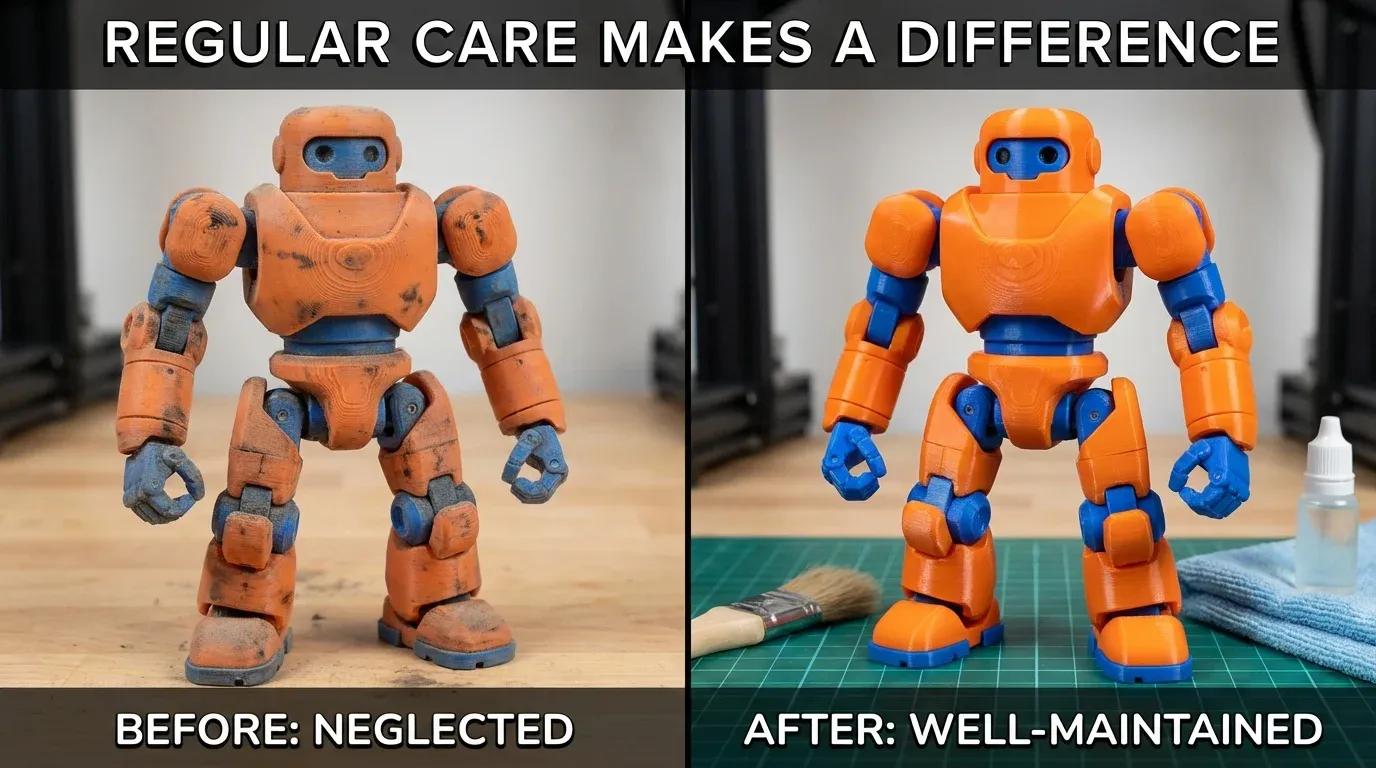
Ready to keep your 3D printed toys safe and clean? Start with the gentle cleaning method outlined above, and remember—when in doubt, less is more. Mild soap, lukewarm water, and patience will handle most cleaning challenges whilst preserving the integrity of these modern playthings.
Conclusion
Keeping your 3D printed toys clean doesn't have to be complicated. Whether you're maintaining PLA figurines, PETG educational toys, or flexible TPU playthings, the fundamental principle remains the same: gentle cleaning with appropriate methods protects both the print quality and the material's integrity.
The cleaning approach you choose depends entirely on your specific situation. For everyday maintenance, a simple wipe with a damp microfibre cloth and mild soap handles most situations effectively. When dealing with stubborn grime or prints fresh off the build plate, isopropyl alcohol provides powerful cleaning without damaging most filament types. For toys that see regular handling by children, establishing a weekly cleaning routine with food-safe dish soap ensures hygiene without compromising the print's structural integrity.
Remember that prevention is your best ally. Sealing porous PLA prints, avoiding harsh chemicals on delicate materials, and storing toys properly between uses will dramatically reduce the cleaning effort required whilst extending the lifespan of your 3D printed creations.
The beauty of 3D printing lies in creating customised, functional items that serve specific purposes. By implementing these straightforward cleaning techniques, you're protecting your investment and ensuring these toys remain safe, attractive, and functional for years to come.
Ready to maintain your 3D printed collection with confidence? Start with the basic soap-and-water method today, and you'll quickly develop the intuition to know exactly which cleaning approach suits each unique print. Your well-maintained toys will continue bringing joy whilst demonstrating the remarkable durability of properly cared-for 3D printed objects.