
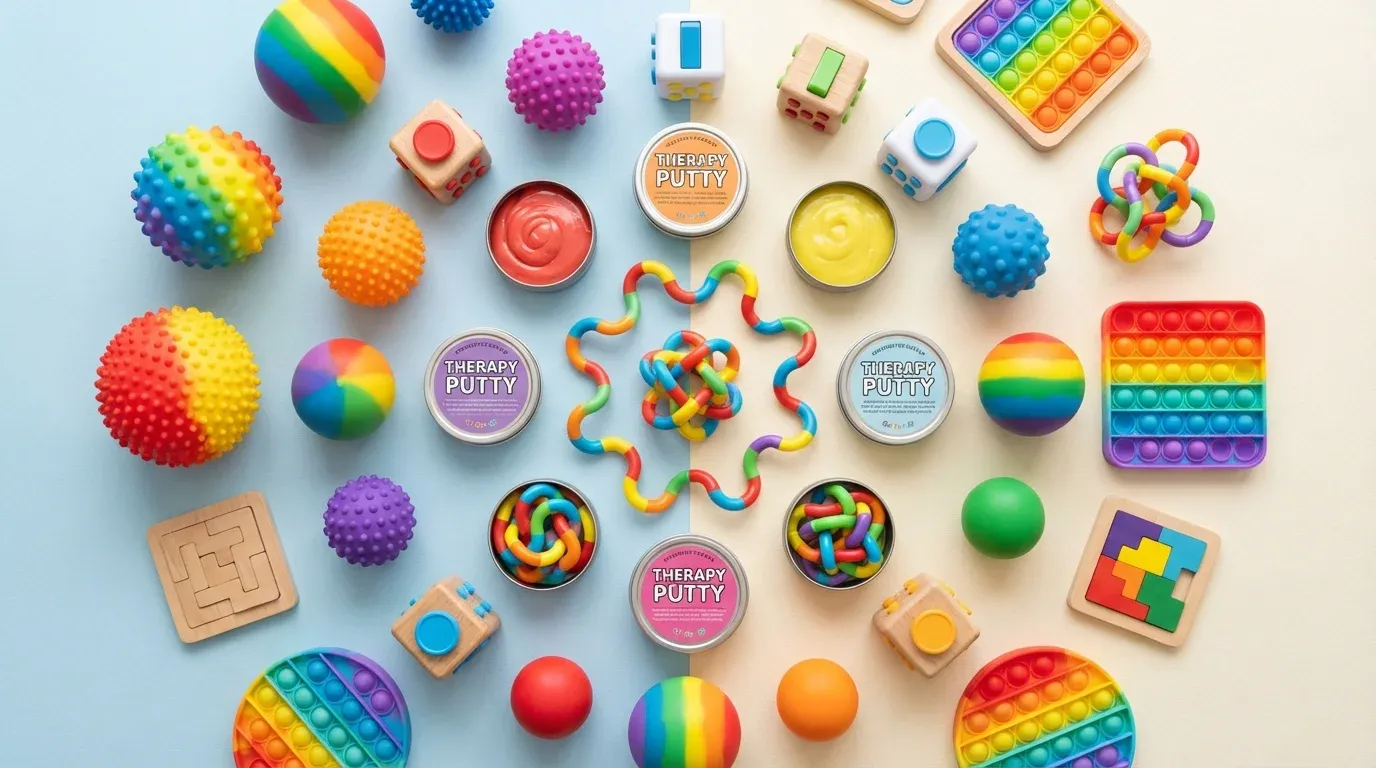
Picture this: you're searching for the perfect gift for a child who simply can't sit still—hands constantly moving, feet tapping, always reaching for something to hold. You want to give them something meaningful, but standard toys just don't seem quite right.
Children who fidget aren't being difficult; their brains are simply wired to seek sensory input and movement to help them focus, regulate emotions, and process information. Whether they're managing ADHD, anxiety, sensory processing differences, or just have naturally high energy levels, the right fidget tools can transform restless energy into productive focus. Yet many well-meaning gift-givers default to noisy, distracting toys that frustrate parents and teachers rather than help the child.
The key is finding gifts that provide the sensory feedback these kids need whilst being appropriate for various settings—from classrooms to car journeys. We've researched the most effective fidget gifts based on occupational therapy principles, teacher feedback, and what actually works for different age groups and sensory needs. You'll discover quiet, engaging options that support concentration, reduce anxiety, and give active hands something purposeful to do—without disrupting everyone around them. Whether you're shopping for a birthday, holiday, or "just because," you'll find scientifically-backed recommendations that make a genuine difference in a fidgeting child's daily life.
Finding the perfect gift for a child who fidgets can feel overwhelming. Whether you're shopping for a birthday, holiday, or just because, understanding that fidgeting isn't merely a distraction—it's often a necessary tool for focus and self-regulation—transforms your gift-giving approach entirely.
Understanding Why Kids Fidget
Before diving into gift options, it's worth recognising that fidgeting serves a genuine purpose. Many children fidget to help concentrate, manage anxiety, or process sensory information more effectively. Research shows that movement can actually enhance cognitive function in children, particularly those with ADHD, autism, or sensory processing differences.
This means the right fidget gift isn't just a toy—it's a supportive tool that acknowledges a child's unique needs whilst providing enjoyment.
Sensory-Focused Fidget Gifts
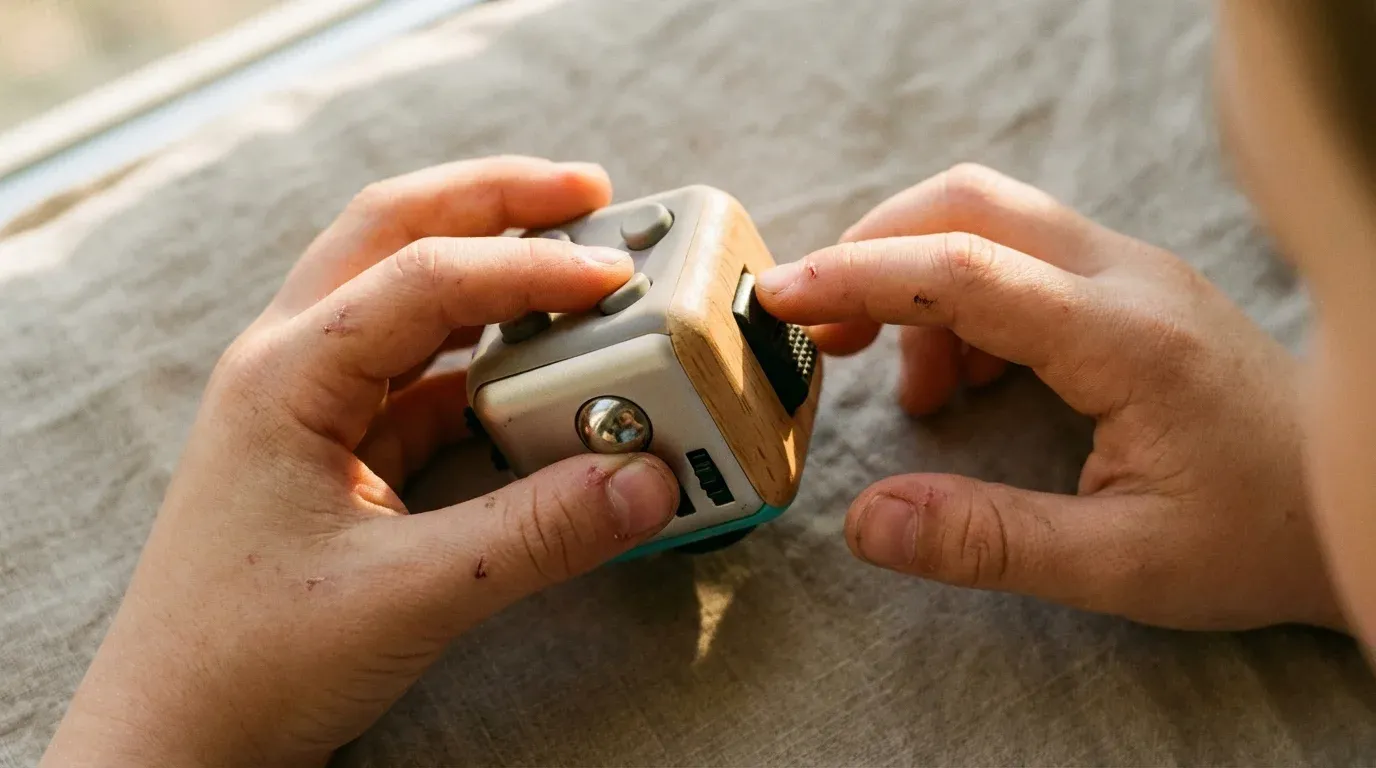
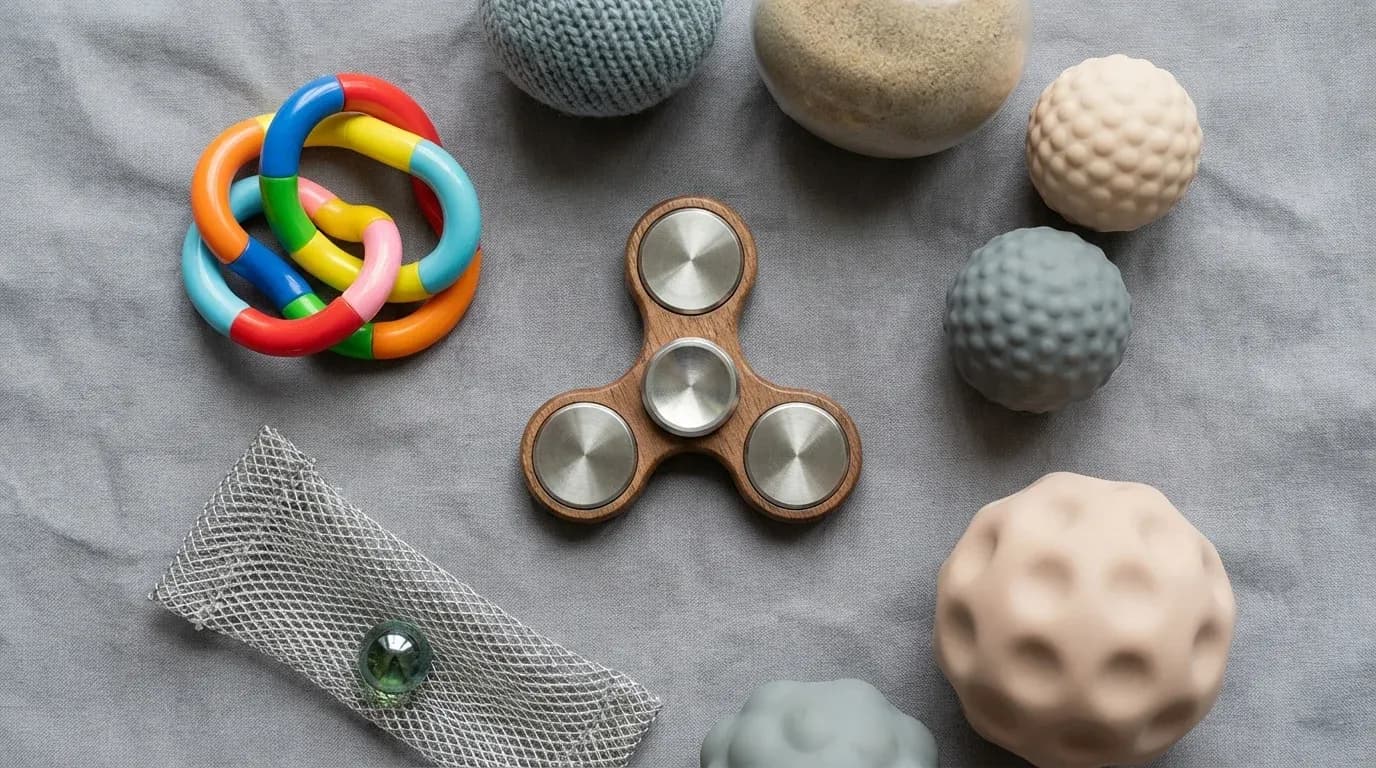
Textured fidget toys offer exceptional value for tactile seekers. Items like spiky sensory balls, mesh-and-marble toys, or stretchy resistance bands provide varied textures that keep hands engaged. These work brilliantly during homework time, car journeys, or even whilst watching television.
Fidget cubes and spinners remain popular for good reason. Despite the trend phase passing, quality versions with multiple engagement points—buttons, switches, rollers, and gears—continue to help children channel restless energy productively. Look for durable materials that withstand repeated use.
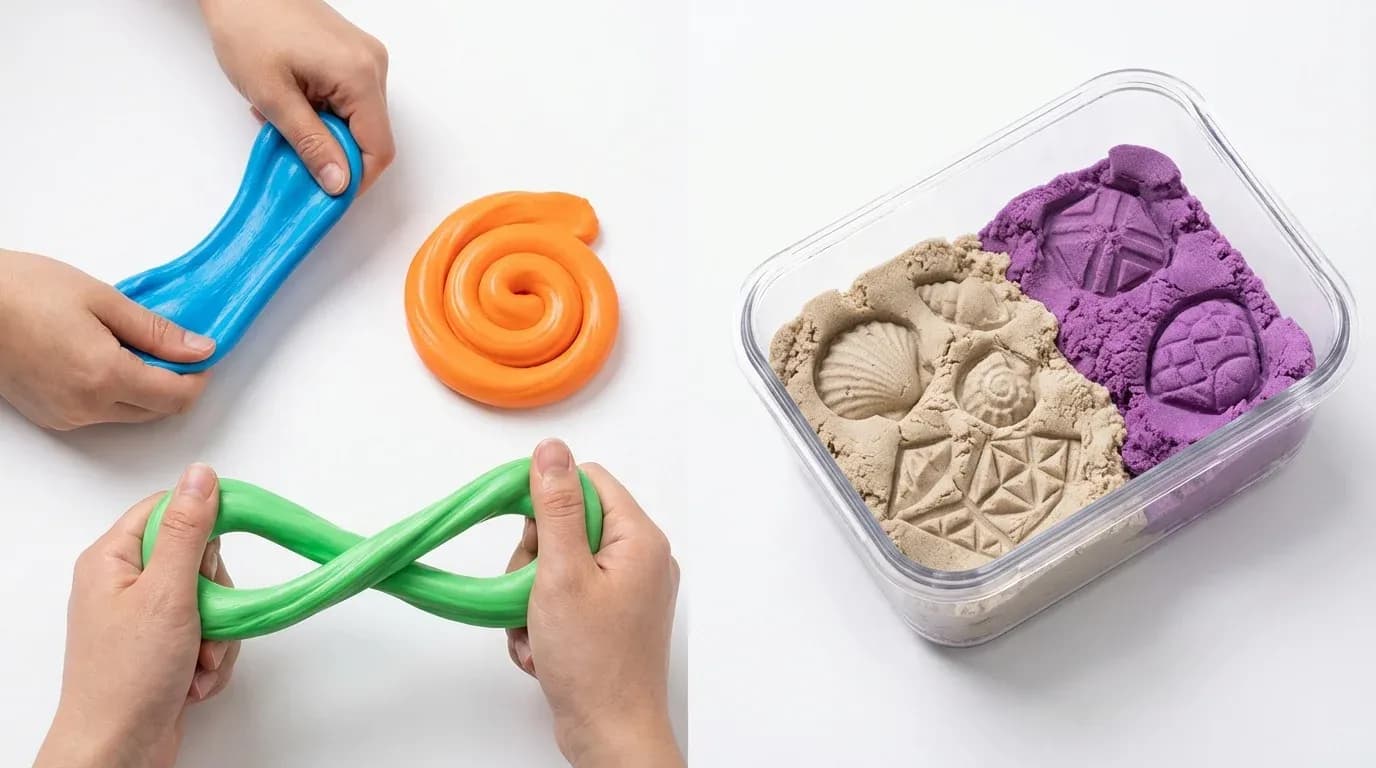
Kinetic sand and therapy putty combine fidgeting with creativity. These malleable materials allow children to squeeze, mould, and manipulate whilst engaging their senses. Many occupational therapists recommend therapy putty specifically for building hand strength alongside providing sensory input.
Active Fidget Solutions
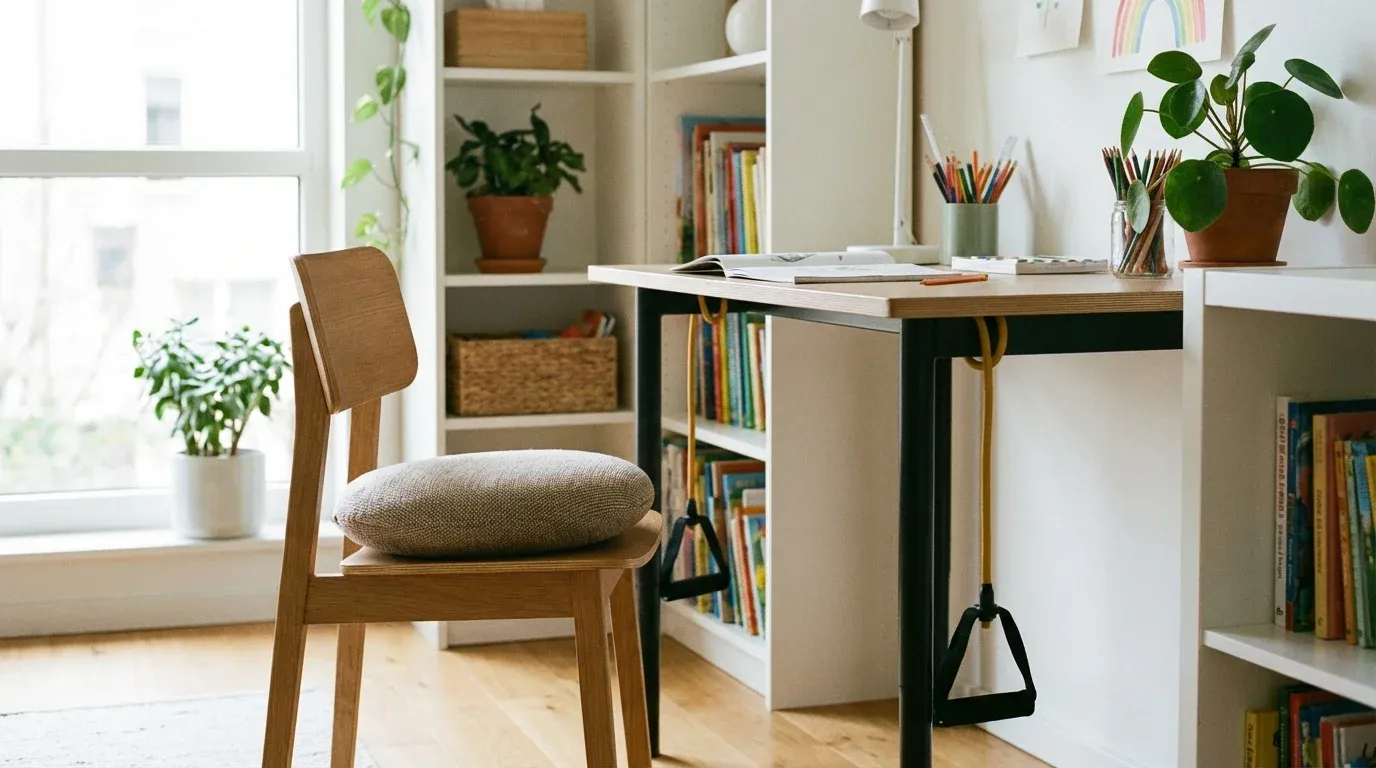
Some children need whole-body movement rather than just hand-based fidgeting. Balance boards and wobble cushions transform sitting into active engagement, making them excellent for children who struggle with prolonged stationary activities. These work particularly well for homework sessions or gaming time.
Mini trampolines provide socially acceptable ways to bounce and move, releasing excess energy whilst improving coordination and body awareness. For smaller spaces, consider resistance bands or chair fidgets that attach to desk legs.
Creative and Constructive Options
Building sets and magnetic tiles serve dual purposes—they satisfy fidgeting impulses whilst developing spatial reasoning and creativity. Children can manipulate pieces repeatedly, taking projects apart and rebuilding them in endless configurations.
Fidget jewellery and chewable accessories offer discreet options for older children who need sensory input but prefer subtler solutions. Chewable necklaces, spinner rings, or textured bracelets allow fidgeting without drawing attention in classroom or social settings.
Quiet Fidget Tools
For environments requiring silence, stress balls, squishy toys, and silent spinners provide essential alternatives. Look for items specifically labelled as quiet or silent, particularly if the child needs fidget support during lessons or activities.
Tangles and fidget chains offer continuous movement without noise. These interconnected pieces twist, turn, and manipulate endlessly, perfect for children who need constant hand engagement.
Choosing the Right Gift
Consider the child's specific needs and preferences. Does she prefer tactile input or movement? Does he need something discreet for school? Understanding these nuances ensures your gift provides genuine support rather than becoming another unused toy.
Age-appropriateness matters too. Younger children benefit from larger, safer options without small parts, whilst older children often prefer sophisticated designs that don't appear childish.
Ready to find the perfect fidget gift? Start by observing what movements or sensations the child naturally seeks. Match gifts to these preferences, and you'll select something that supports their unique needs whilst bringing genuine enjoyment. Remember—the best fidget gifts aren't about stopping movement, but channelling it productively.
Finding the Perfect Fidget Gift for Your Child
Choosing the right gift for a child who fidgets isn't just about buying another toy—it's about understanding their sensory needs and providing tools that help them focus, self-regulate, and thrive. Whether you're selecting tactile fidget toys, kinetic sand, weighted items, or sensory-friendly clothing, the best gifts strike a balance between engagement and purpose.
Remember that effective fidget tools should be discreet enough for classroom use, durable enough to withstand constant handling, and genuinely helpful for concentration rather than distracting. Consider the child's specific preferences: do they respond better to quiet, subtle movements or more active manipulation? Are they drawn to textures, resistance, or visual feedback?
The most thoughtful approach combines observation with experimentation. Start with a variety pack to discover which sensory inputs resonate most, then build from there. Look for gifts that grow with the child—items like building sets, worry stones, or adjustable fidget rings offer lasting value beyond the initial novelty.
By choosing fidget gifts thoughtfully, you're not just giving a present—you're providing tools that support better focus, emotional regulation, and confidence. These gifts acknowledge that every child's sensory needs are unique and valid, offering practical support rather than trying to change who they are.
Ready to make a meaningful difference? Start by identifying which type of sensory input your child gravitates towards naturally. Observe their fidgeting patterns throughout the day, and let those insights guide your selection. The right fidget gift can transform restless energy into productive focus, making learning and daily activities more manageable and enjoyable.