
Are Fidget Toys Allowed in Australian Schools? Understanding the Rules and Benefits
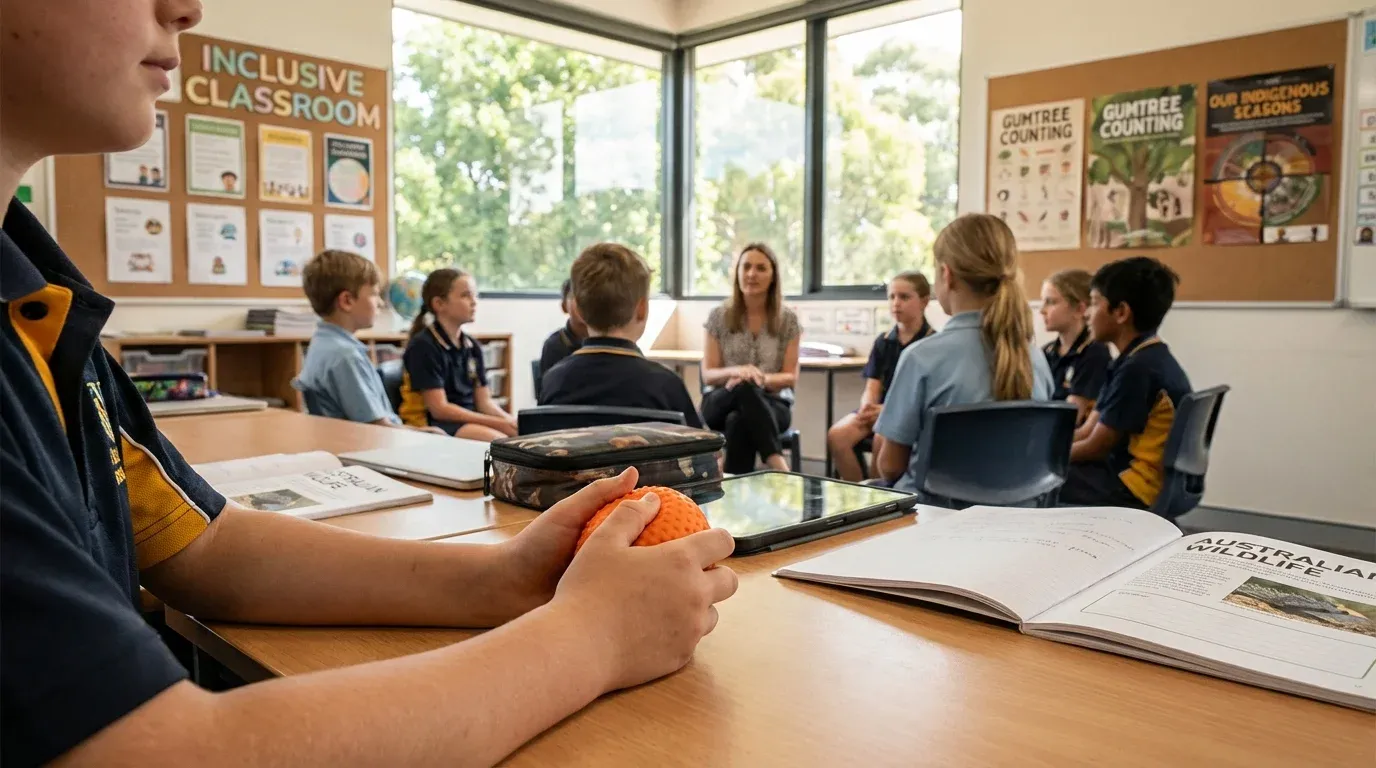
When Year 4 teacher Sarah noticed three students discreetly using fidget spinners during her maths lesson, she faced a dilemma many Australian educators encounter daily: should these toys be confiscated or embraced as learning tools?
The question of whether fidget toys are allowed in Australian schools doesn't have a simple yes or no answer. Unlike mobile phones, which many states have uniformly banned, fidget toys exist in a grey area where individual schools, education departments, and even classroom teachers set their own policies. This inconsistency leaves parents confused about what they can send to school and students uncertain about when they can use these sensory tools.
The stakes are higher than you might think. For children with ADHD, autism, anxiety, or sensory processing differences, fidget toys aren't mere distractions—they're evidence-based tools that support concentration, emotional regulation, and classroom participation. Yet without clear guidelines, these beneficial aids often end up in confiscation boxes alongside actual disruptive items.
In this comprehensive guide, we'll clarify the current regulations across Australian states, explain how schools typically approach fidget toys, identify which types are most likely to be permitted, and provide practical strategies for parents and educators navigating this nuanced topic. Whether you're advocating for your child's needs or establishing classroom policies, you'll find the clarity you need.
Fidget Toys in Australian Schools: What's Actually Allowed in 2025
Australian schools are increasingly recognising that not all movement is disruptive. For parents and educators navigating the world of fidget toys in classrooms, understanding current policies can feel like decoding a puzzle. The good news? Many Australian schools now permit specific fidget tools—when used appropriately.
The Current Landscape of Fidget Toys in Australian Schools
Australian schools don't operate under a blanket national policy regarding fidget toys. Instead, individual states, education departments, and schools maintain their own guidelines. As of December 2025, the trend leans toward acceptance, particularly for students with documented needs such as ADHD, autism spectrum disorder, or sensory processing challenges.
Most schools now distinguish between therapeutic fidget tools and distracting toys. The key difference? Purpose and discretion. Silent, non-visual fidgets that help students focus without disturbing others typically receive approval, whilst noisy or visually distracting items remain prohibited.
Which Fidget Toys Are Generally Permitted
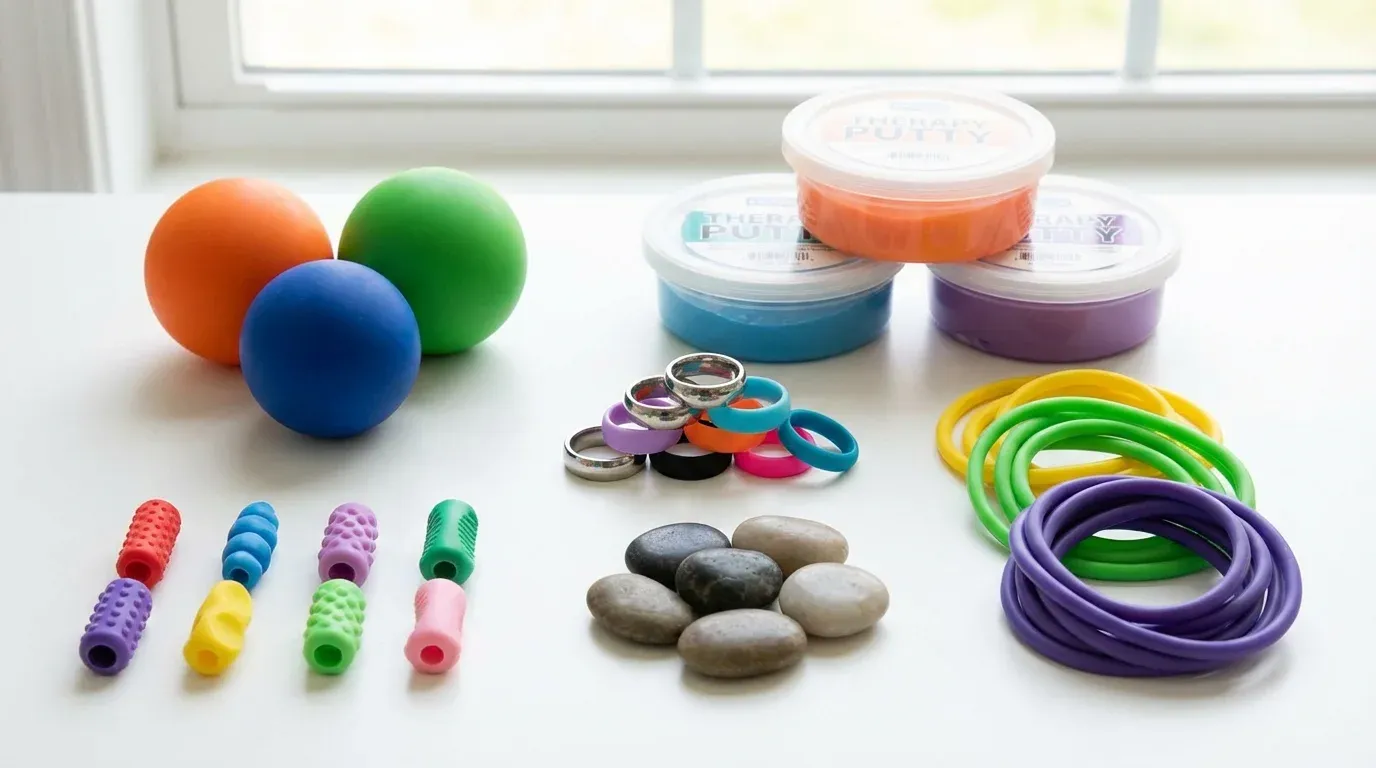
Approved fidget tools commonly include:
- Stress balls and therapy putty – Silent, contained, and effective for tactile stimulation
- Fidget rings and bracelets – Discrete wearable options that allow subtle movement
- Textured pencil grips – Dual-purpose tools that serve academic functions
- Small smooth stones or worry stones – Quiet, non-distracting tactile objects
- Stretchy strings or resistance bands – Provide proprioceptive input without noise
Typically banned items include:
- Spinners (due to visual distraction)
- Clicky pens or buttons (noise disruption)
- Slime or liquid-filled toys (mess potential)
- Light-up or electronic fidgets (visual distraction)
- Anything that can be thrown or disassembled
Getting Approval: The Practical Process
The most successful approach involves proactive communication with your child's teacher and school administration. Start by scheduling a meeting to discuss your child's specific needs. Bring supporting documentation from occupational therapists, paediatricians, or psychologists if available.
Many schools incorporate fidget tool usage into Individual Education Plans (IEPs) or behaviour support plans. This formalises the arrangement and ensures consistency across different classrooms and teachers.
Steps to secure approval:
- Document the need – Gather professional assessments or observations about how fidget tools benefit your child's learning
- Propose specific items – Don't ask for "fidget toys" generally; present particular tools you'd like to trial
- Suggest a trial period – Offer a 4-6 week trial with check-in points to assess effectiveness
- Establish guidelines – Work with teachers to set clear rules about when and how the fidget can be used
- Monitor and adjust – Be prepared to modify the arrangement based on feedback
Making Fidget Toys Work in the Classroom
Success requires establishing clear expectations. The fidget tool should remain in the student's hand or desk—not become a trading item amongst classmates. Students need explicit instruction on appropriate use: the tool should aid concentration during lessons, not distract during important instructions.
Some teachers implement "fidget contracts" where students agree to specific conditions. If the tool becomes disruptive, it's temporarily removed without punishment, then reintroduced once focus returns.
Consider providing duplicate fidgets—one for school, one for home—to avoid morning rushes or forgotten items. Label school fidgets clearly with your child's name.

State-Specific Considerations
Whilst policies vary, Victorian schools often reference the Disability Standards for Education, which supports reasonable adjustments. New South Wales schools increasingly incorporate sensory tools into mainstream classrooms, particularly in primary settings. Queensland education guidelines acknowledge that movement-based learning tools can benefit all students, not just those with diagnosed conditions.
Private schools may have different approaches than public institutions, so don't assume policies transfer between sectors.
Ready to advocate for your child's sensory needs? Contact your school's learning support coordinator or principal to begin the conversation. Most educators genuinely want students to succeed and will work collaboratively when presented with evidence-based solutions. Remember, the goal isn't permission for toys—it's access to learning tools that level the playing field for students with different sensory processing needs.
Making Fidget Toys Work in Your Child's Classroom
The conversation around fidget toys in Australian schools has evolved significantly. Rather than viewing them as distractions, educators increasingly recognise their potential to support focused learning for students with genuine sensory needs.
The key to success lies in clear communication between parents, teachers, and students. When fidget tools are selected thoughtfully—prioritising silent, non-distracting options—they can become valuable learning supports rather than classroom disruptions. Schools that have implemented structured policies around appropriate fidget use report positive outcomes for students with ADHD, autism, and anxiety.
Remember, not every student needs a fidget toy, and they're not suitable for every situation. The most effective approach involves working collaboratively with your child's school to identify specific learning challenges and determine whether sensory tools might genuinely help. Documentation from occupational therapists or psychologists can strengthen your case and ensure any accommodations align with your child's Individual Learning Plan.
Ready to advocate for your child's learning needs? Start by scheduling a meeting with your child's teacher to discuss their specific challenges. Come prepared with observations about when concentration difficulties occur and be open to the school's suggestions for appropriate fidget options. Many schools already have policies in place—understanding these guidelines will help you work within the system whilst supporting your child's educational success.
By approaching fidget toys as purposeful learning tools rather than toys, you'll be better positioned to secure the accommodations your child needs to thrive in the Australian classroom environment.